“Living in today’s Pakistan” – an interview for WPKN
From Tidings Blog featuring my interview which was broadcast on WPKN radio last year. Yes I have been a little lazy in posting all the stuff here.
Hazel Kahan has summarised some of the key points below and but those who can put up with my rants should click here -
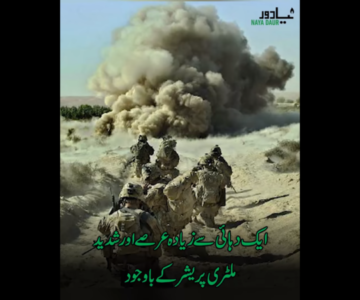
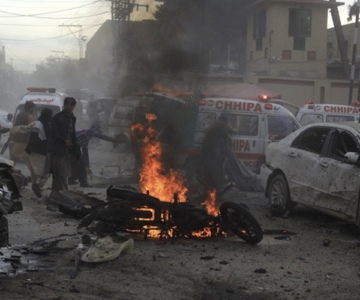
In our wide-ranging interview, Raza spoke eloquently and poignantly about his country and what it is like to be living in Pakistan these days. Through his lens we can see another Pakistan, a parallel society that has been obscured by the prevailing image of militaristic, unreliable and confusing Pakistan given to us by the mainstream media.
I have summarized some of the significant points Raza made but I do urge you to listen to him in his own compelling voice.1. ” Much of Pakistan’s seemingly inextricable alliance with Afghanistan and the Taliban can be explained by its existential fear, “a genuine insecurity” of being encircled by India. Retaining its ties to the militants is one way of protecting itself from its huge eastern neighbor and as leverage ”in the endgame of Afghanistan.” (What that endgame will be is “shrouded in mystery…nobody really has a clue of how to approach and how to handle it.”)
2. “The shared geography, history and culture of Khyber Pakhtunkhwa, the continuum between Pakistan and Afghanistan “makes it very difficult to separate the two.”
3.”Now you have two Talibans, the ones who attack NATO troops and the ones who attack Pakistani people. Pakistani people want to get rid of the Taliban because their lives have been traumatized…we feel really angry and we’re also suffering… In this power politics, Afghanistan and Pakistan are burning.” (more…)
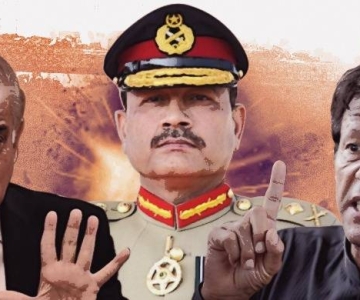
(Also published by The News) Given the average shelf life of any civilian government, it is almost miraculous that the incumbent government has survived and there are signs that its removal is not immediate. The longevity of civilian order has less to do with the inherent strengths of its style of governance or delivery of public goods that it had promised in its manifesto. The survival of this government is an outcome of the lack of options for the establishment as well as its international allies, notably the Western powers. Leaving the conspiracy theories and the excessive over-reliance of the analysts on the American factor, we can safely argue that the military establishment of Pakistan and its intelligence agencies has found themselves in a unique situation since the assumption of the presidency by Asif Ali Zardari.


Recent Comments