
Gun Violence is a Human Rights Issue
On August 29, a white man fatally shot three Black people, then himself, with a swastika-marked gun in Jacksonville, Florida, during the 60th anniversary gathering…
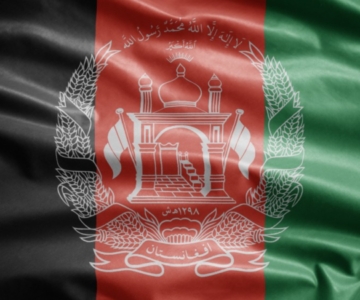
Afghanistan: no cooperation, no stability
This is a shorter version of a brief which was prepared for Pakistani Senate’s standing committee on Defence. Also published here. Full report here…
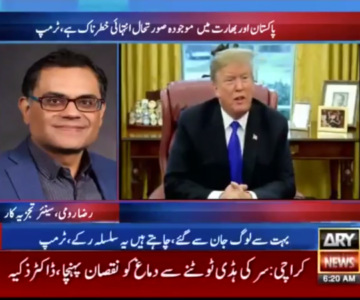
Last Night on ARY News
A quick comment for ARY News on India Pakistan conflict and Trump’s statement about a dangerous situation.…
Raza Rumi on Americas interest in peace in Pakistan
Raza Rumi’s analysis on American interest in Afghanistan and Pakistan. According to Raza, a stable Afghanistan and Pakistan is in the interest of America…
Raza Rumi on the conspiracy theories on taliban peace talks
Raza Rumi’s analysis on the peace talks with taliban. Rumi says that in wake of US withdrawl from Afghanistan, different groups and countries have…
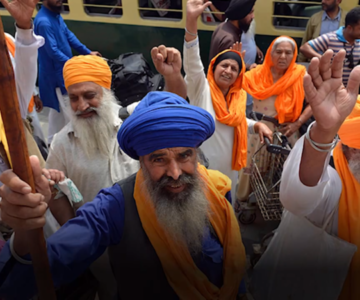
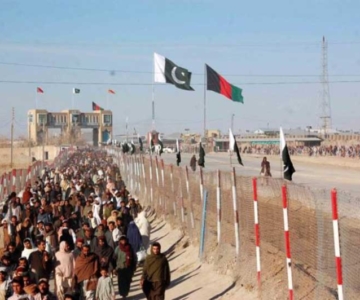
Sikh Pilgrims celebrate Baba Guru Nanak’s 549th birth anniversary
Thousands of Sikh Pilgrims arrive in Pakistan to celebrate Baba Guru Nanak’s 549th birth anniversary. Around 3500 pilgrims have arrived from India alone (last…
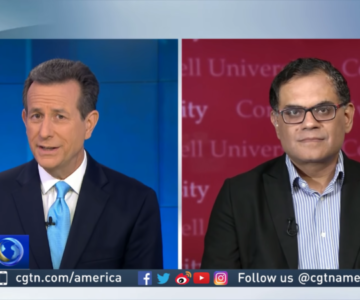
Raza Rumi talks about the US Secretary of State’s visit to Pakistan and India
CGTN’s Mike Walter spoke with Raza Rumi about the likely impact on U.S. relations with India & Pakistan of a visit by U.S. Secretary…
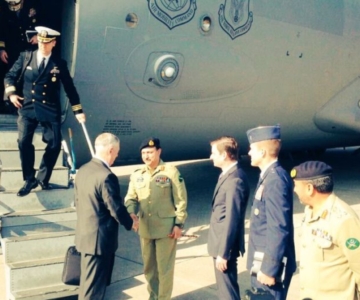
The relationship with US matters whether we like it or not
Despite the tough posturing by the United States and Pakistan, following the announcement of Trump’s South Asia strategy, both countries have resumed diplomatic engagement…
Commentary: Trump needs to end this protracted war
August 30, 2017: Commentary: Trump needs to end this protracted war (The Ithacan) During his election campaign, President Trump had vowed to end the foreign…
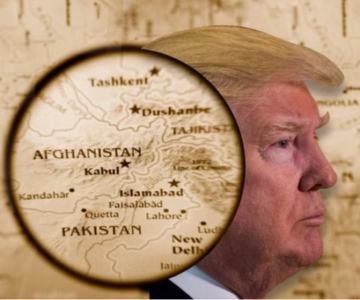
With Trump’s Empty Afghan Strategy, Up to India & Pak to Play Nice
US engagement in Afghanistan, in its 16th year now, has been complicated by the involvement of regional powers. Donald Trump’s so-called Afghanistan strategy suffers…

CPEC, India & China, Re-balancing Act
India, the US and Afghanistan are keenly watching Pakistan and China work through CPEC’s challenges Andrew Small is a transatlantic fellow at the German…
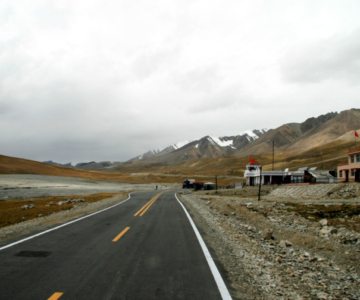
A corridor to a closer Sino-Pakistani alliance?
Chinese influence in South and Central Asia is set to expand through the much-hyped China-Pakistan Economic Corridor just as the United States draws down…
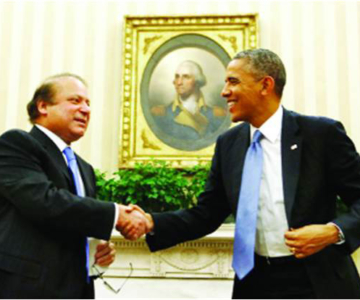
Magnificent Delusions: The Ebb and Flow of Pak-US Relations
Husain Haqqani’s new book Magnificent Delusions: Pakistan, the United States, and an Epic History of Misunderstanding comes at a critical juncture of Pakistan-US relations…
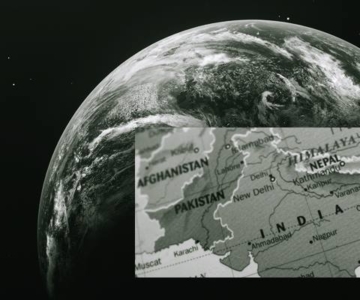
How the Future of South Asia Can Change!
Since Pakistan’s inception, its relationship with India has been mired by insecurity, hostility, suspicion and mistrust. Independence in 1947 was followed by conflict over…
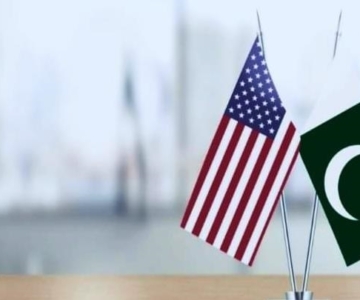
No more escape routes
Pakistan’s military should review the Taliban rule in Afghanistan and how they were not always the kind of partners and proxies we had envisioned…
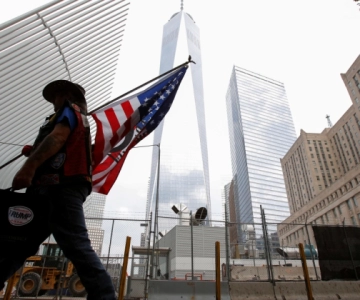
Some sobering lessons
By Raza Rumi: Adecade after the ghastly attacks on the Twin Towers, the world has not changed. It is business as usual: imperial projects,…
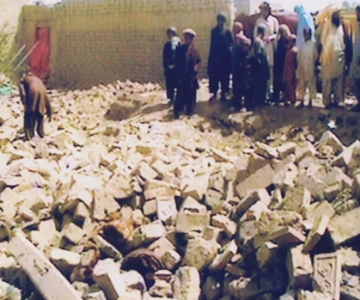
In Pakistan, drone attack victims pursue criminal charges against US government officials
While the US military continues its campaign in Afghanistan, in neighboring Pakistan, there is continuing opposition to the CIA’s drone strikes. Activists, lawyers and…
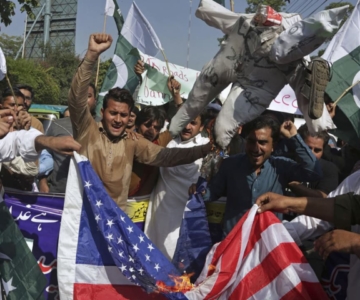
Is America really our Enemy No 1?
By Raza Rumi : Six months ago, an extraordinary news report was published by Dawn, which recounted the contents of a military briefing given…
More on the Pakistan Wikileaks- US Operations Constrained by India-Pakistan Relations
My interview which has appeared on Wikileaks Central. The Dawn Media Group in partnership with WikiLeaks has been releasing the “Pakistan Papers.” Thus far,…
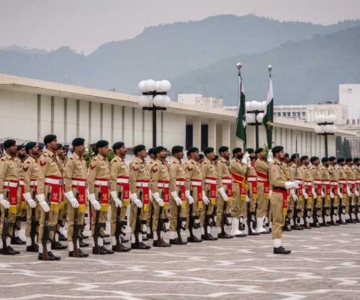
Pakistan: Fixing the civil-military imbalance
Sovereignty is the flavour of the month in Pakistan. Since the capture and questionable assassination of Osama Bin Laden, the Pakistani discourse has been…