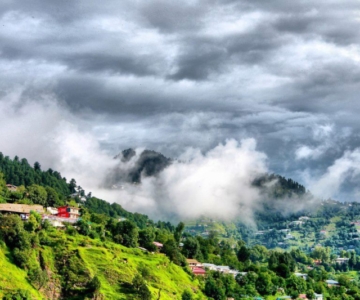
Loveable Murree
I was recently asked to write where I would spend my summer. For a few minutes I kept my anguish at Pakistan’s situation…
On Krishna and Ranjha – the syncretic Punjab
I am posting an article by that was published by The Friday Times. This is a great piece: Fascination with the naughty butter-thief Krishna…
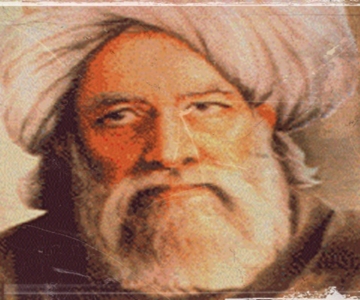
Four poems by Bulleh Shah (new translations)
Who I am I know not who I am, I am neither a believer going to the mosque Nor given to non-believing ways. Neither…
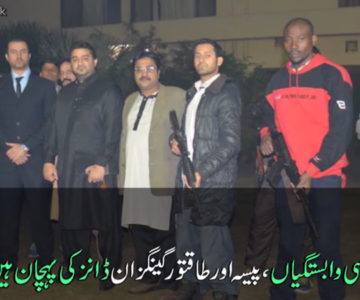
پنجاب کے دل لاہور پر انڈر ورلڈ کا قبضہ،یہ گینگز کتنے طاقتور اور بااثر ہیں؟ جانیے اس ویڈیو میں
– لاہور شہر میں انڈر ورلڈ ڈانز کا راج ختم نہیں ہو سکا ہے – سیاسی وابستگیاں، پیسہ اور طاقتور گینگز ان ڈانز کی…
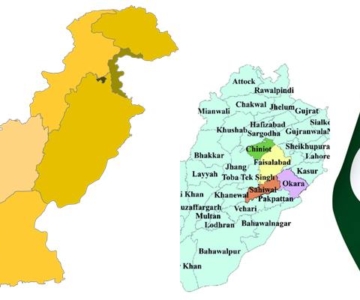
The debate on new provinces in Pakistan
Since 1977, military or quasi-military governments have ruled Pakistan. The basic tenet of such a governance structure has been centralization and denial of multiple…
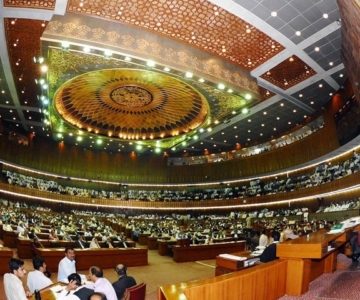
Devolution of powers: the challenges ahead
The impediments to full provincial autonomy under the 18th Amendment need to be tackled despite the odds Perhaps the best thing about contemporary Pakistan…

Fighting corruption through digital technology
State accountability – all is not that bleak Much has been written about corruption and how there seems to be no way out of…
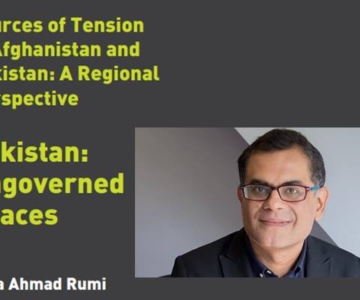
Pakistan: Ungoverned Spaces
My paper published by CIDOB – Barcelona Centre for International Affairs Even after more than six decades since its inception, Pakistan has been unable…
Divide or perish: creating new provinces in Pakistan
My piece published in TFT Since 1947, two characteristics of the Pakistani state have continued to haunt its legitimacy and survival. The first relates…
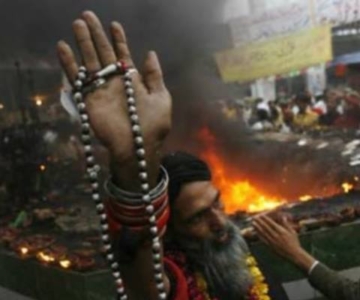
Festival of Lights at Madhu Lal’s Urs, 2010
The 3-days Urs of Hazrat Shah Hussain (March 27-29, 2010), radical Sufi saint of Punjab, gained momentum on the weekend as thousands of devotees…
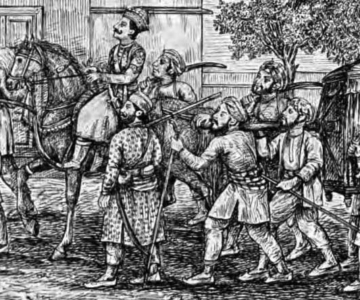
The Romance of Raja Rasalu
Story telling has been a primordial urge, never quite expressed in its fullest measure, but always lingering and floating like life. There was a…
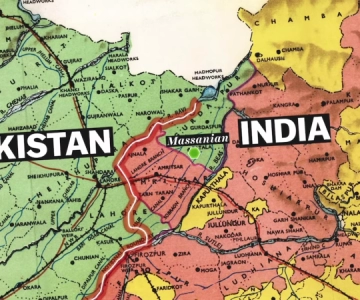
South Asian Cooperation and the Role of the Punjabs
South Asian Cooperation and the Role of the Punjabs. Tridivesh Singh Maini. New Delhi: Siddharth Publications , 2007 South Asian Cooperation and the Role…

Why search for God?
Bulleh Shah – the master Sufi poet from medieval Punjab – identified where to find Love and the Divine presence. Nowhere, but within one’s…
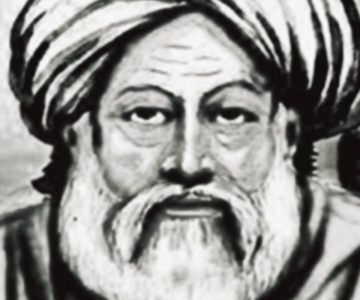
Bulleh Shah – a few poems
Bulleh Shah ‘s poetry addresses most maladies that we face in this day and age. Recently, I was asked to help a friend with…
The distasteful side of fedual shrine culture
In a story entitled Punjab grants divine man obscene rights, Hamid Asghar of DAWN had written this report about the way the Sufi descendants…

Sharif Kunjahi’s ‘The Village’
Found this lovely poem in a piece that mourns the death of a prominent Punjabi poet, Sharif Kunjahi. Read poem here >>…