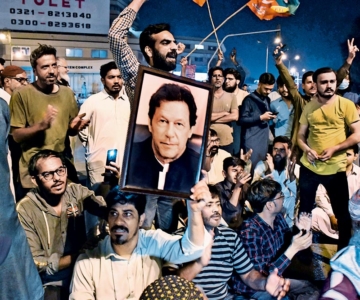
Pakistan: No Country For Rebellion
Following the tumultuous events in Bangladesh and the dramatic ouster of Sheikh Hasina, Pakistani analysts have been debating if such a regime change was likely in their…
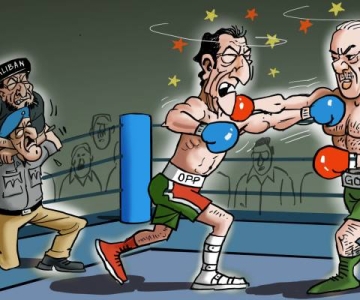
Tackling Pakistan’s Polycrisis Requires Clarity And Consensus. Both Are Missing.
The reluctance of former Prime Minister and chairman Pakistan Tehreek-e-Insaf (PTI) Imran Khan to participate in an All-Parties Conference called by Prime Minister Shehbaz…
Sartaj Aziz Talks Foreign Policy, India And Nawaz Sharif With Raza Rumi And Faisal Devji
Sartaj Aziz, former foreign minister of Pakistan and author of Between Dreams and Realities: Some Milestones in Pakistan’s History, talks to Raza Rumi and…
Why Arresting All Opposition Members At A Time When Nation Needs Unity?
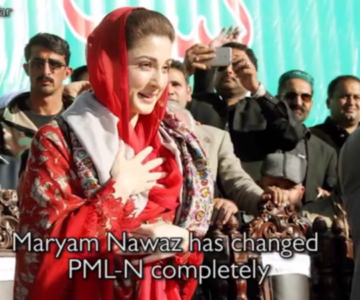
Maryam Nawaz and her cousin were arrested on Thursday in Chaudhry Sugar Mills scandal. Rana Sanaullah’s son-in-law was arrested in Faisalabad rally case while…
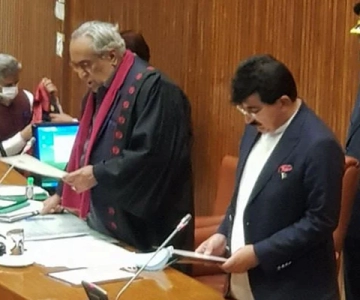
Failure Of No-Confidence Vote Against Senate Chairman
Qamar Cheema says no-confidence vote against the Senate Chairman was a rare occasion that allowed some Senators to dissent against their parties and they…

Use of Religion in Politics Interview With Murtaza Solangi
Murtaza Solangi and Tanzeela Mazhar discuss how political parties in Pakistan have often resorted to the use of religion in politics…
آئی ایم ایف کی شرائط ماننا حکومت کی مجبوری ۔ ۔ ۔ ۔ ۔! اگلے ایک اور سال تک مہنگائی بڑھے گی اور بڑھتی ہی چلے جائے گی۔
ئی ایم ایف کی شرائط ماننا حکومت کی مجبوری ۔ ۔ ۔ ۔ ۔! اگلے ایک اور سال تک مہنگائی بڑھے گی اور بڑھتی…
ماضی میں آصف علی زرداری نے چئیرمین سینیٹ کے حوالے سے جو پتہ کھیلا آج وہی ان کے گلے پڑگیا
ماضی میں آصف علی زرداری نے چئیرمین سینیٹ کے حوالے سے جو پتہ کھیلا آج وہی ان کے گلے پڑگیا۔ چئیرمین سینیٹ کو بدلنے…
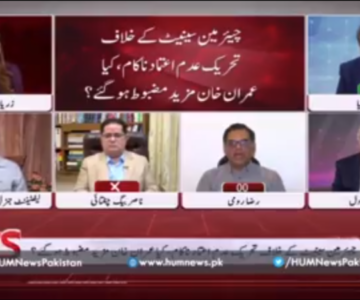
سینیٹ میں کامیابی حکومت کی وقتی فتح ہے۔ اگر ہارس ٹریڈنگ ثابت ہوتی ہے تو اس سے عمران خان کے بیانیے کو بہت بڑا دھچکا پہنچ سکتا ہے۔
سینیٹ میں کامیابی حکومت کی وقتی فتح ہے۔ اگر ہارس ٹریڈنگ ثابت ہوتی ہے تو اس سے عمران خان کے بیانیے کو بہت بڑا…
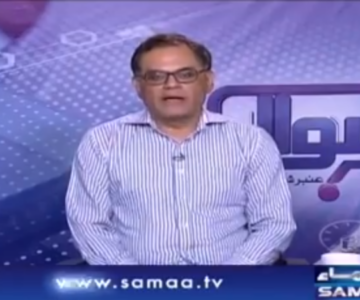
عثمان بزدارکا بارش کے پانی میں لوگوں کولفٹ دینا اور شہباز شریف کا بوٹ پہن کر پانی میں اترنا سیاسی شعبدہ بازی ہے۔
عثمان بزدارکا بارش کے پانی میں لوگوں کولفٹ دینا اور شہباز شریف کا بوٹ پہن کر پانی میں اترنا سیاسی شعبدہ بازی ہے۔ …
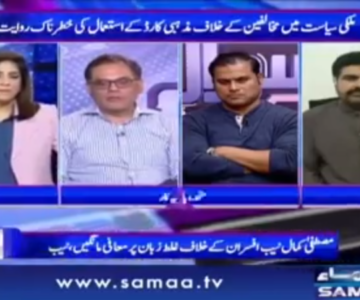
چئیرمین سینیٹ کا الیکشن اور ہارس ٹریڈنگ کی بازگشت۔
چیئرمین سینیٹ کے انتخاب پر رضا رومی کا موقف۔… انہوں نے کہا کہ بدقسمتی سے پاکستان کی سیاست اس وقت انتہائی پولرائزڈ ہے۔ ان…
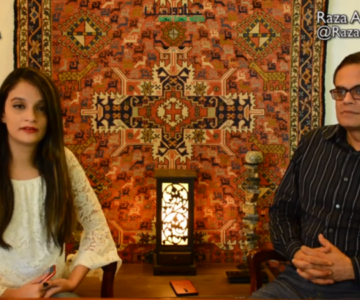
The PTM ‘Problem’ And Pakistan’s Security Establishment
In this video, Raza Rumi and Ailia Zehra discuss the recent Pashtun uprising including the PTM challenge and how state should deal with it.…
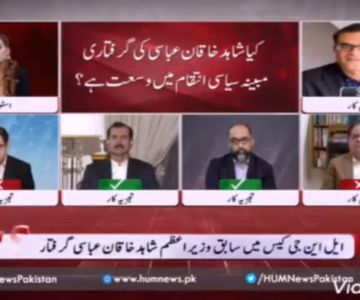
کیا شاہد خاقان عباسی کی گرفتاری مبینہ سیاسی انتقام میں وسعت ہے؟
سابق وزیراعظم شاہد خاقان عباسی کی گرفتاری پر میرا تجزیہ۔ سابق وزیراعظم کی گرفتاری سیاسی انتقام کا معاملہ لگتا ہے۔ یہ بدقسمتی کی بات…
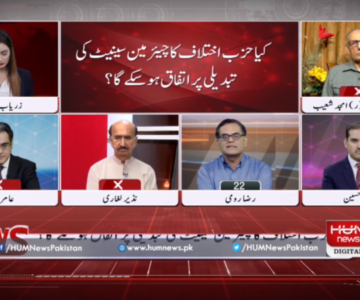
کیا حزب اختلاف کا چیئرمین سینیٹ کی تبدیلی پر اتفاق ہو سکے گا؟
کیا حزب اختلاف کے رہنما حکومتی انتقام کا نشانہ بن رہے ہیں ؟…
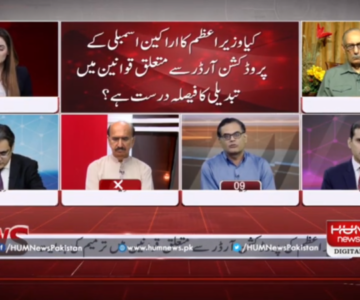
کیا وزیراعظم کا اراکین اسمبلی کے پروڈکشن آرڈر سے متعلق قوانین میں تبدیلی کا فیصلہ درست ہے؟
کیا وزیراعظم کا اراکین اسمبلی کے پروڈکشن آرڈر سے متعلق قوانین میں تبدیلی کا فیصلہ درست ہے؟…
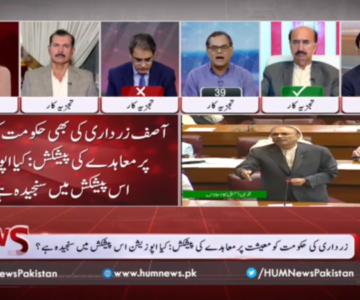
آصف زرداری کی بھی حکومت کو معیشت پر معاہدے کی پیشکش: کیا اپوزیشن اس پیشکش میں سنجیدہ ہے؟
سابق صدر آصف علی زرداری کی جانب سے موجودہ پی ٹی آئی حکومت کو چارٹر آف اکانومی کی پیشکش پر میرا تجزیہ۔ پاکستان کی…
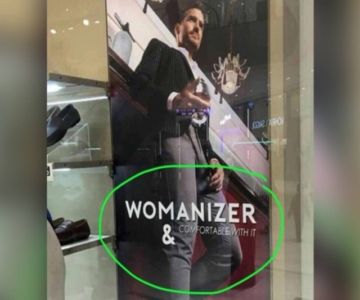
Misogyny normalized by media through sexist content
Sexist slurs, jokes are a norm in Pakistan. This is not limited to Khawaja Asif’s remarks against Shireen Mazari or Aamir Liaquat’s suggestive captions.…
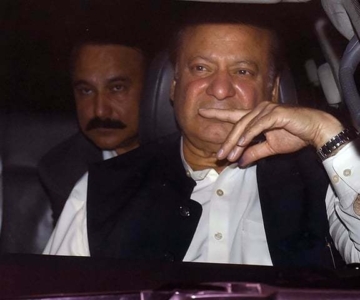
Murtaza Solangi tells Nawaz Sharif and establishment reached no deal
There are rumours of a deal between Nawaz Sharif and the establishment and not only senior members of Pakistan Tehreek-e-Insaf’s (PTI) federal and Punjab…

Rare BBC interview of young Benazir Bhutto after her father’s hanging
Rare BBC interview of (young) Benazir Bhutto after her father’s hanging. – circa 1984 #video #history #Pakistan…