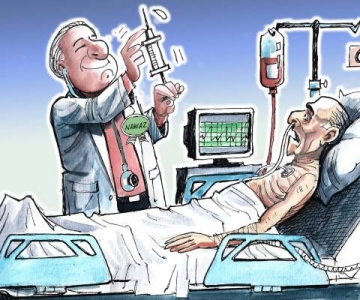
Nawaz Sharif Will Return To Imran Khan’s Pakistan
The electorate blames the PML-N for the inflation that’s making their lives difficult, and Imran Khan owns the anti-establishment narrative despite being locked up.…
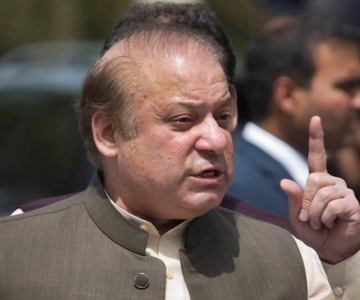
To Leave Or Not To Leave? 3 Critical Questions Surrounding Nawaz Sharif’s ‘Deal’
1 – Will Nawaz Sharif, at some point, agree to leave the country, accepting the government’s alleged ‘offer’? Nawaz Sharif has been reluctant to…
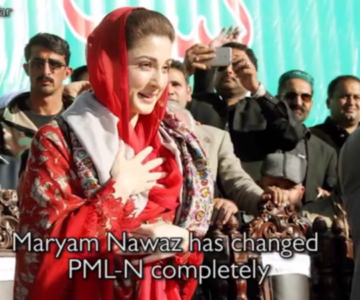
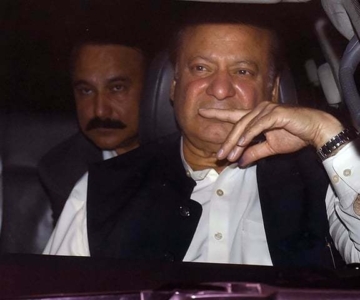
Murtaza Solangi tells Nawaz Sharif and establishment reached no deal
There are rumours of a deal between Nawaz Sharif and the establishment and not only senior members of Pakistan Tehreek-e-Insaf’s (PTI) federal and Punjab…
Pakistan: Judiciary and Politics
September 30, 2018: Pakistan: Judiciary and Politics Pakistan’s judges have been adjudicating on political contests since the 1950s and the record, on balance, remains…
Pakistan’s Judiciary Has Historically Been Tough On Elected Leaders. Is It Any Different Now?
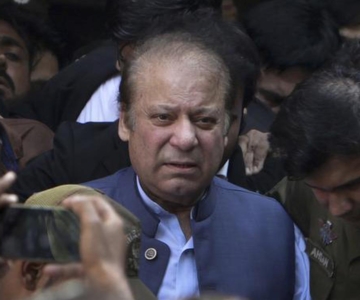
Pakistan’s judges have been adjudicating on political contests since the 1950s and the record, on balance, remains tilted against elected politicians. The case of…
Vajpayee Was a Bridge Between Our Countries: A Pakistani’s Elegy
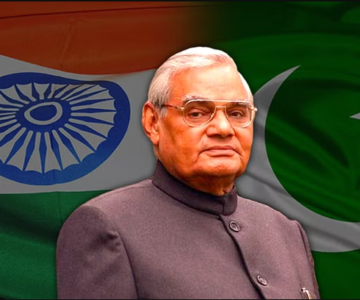
Atal Bihari Vajpayee has been viewed by Indians through all sorts of prisms. But in Pakistan, he was viewed by many as perhaps the…
Nawaz Sharif’s Dilemma: On the Edge
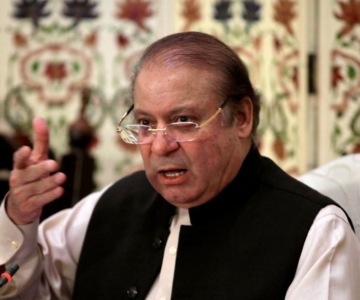
July 15, 2018: Nawaz Sharif’s Dilemma: On the Edge PAKISTAN’S thrice-elected prime minister, Nawaz Sharif, has entered a decisive and somewhat unexpected phase of…
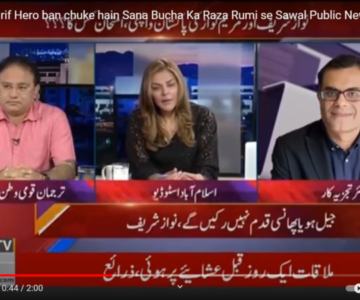
Kya Nawaz Sharif Hero ban chuke hain Sana Bucha Ka Raza Rumi se Sawal Public News
My analysis on Nawaz Sharif’s ouster…
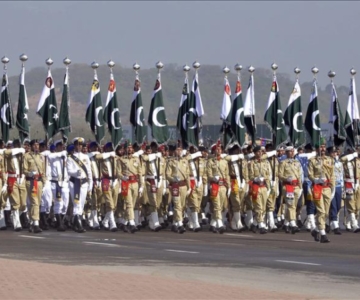
Will the civilians seize the moment?
It is too early to determine whether Nawaz Sharif is seeking a structural transformation of Pakistan’s governance culture or is merely hankering for acceptability…
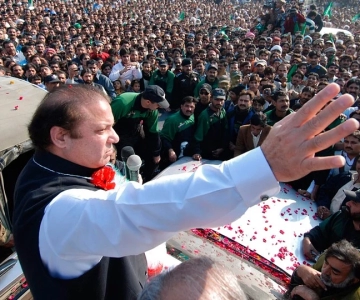
The dynamic political scene confirms a fast changing Pakistani society
The disqualification of Nawaz Sharif through a controversial court verdict was the easier task. Reining in his support and ousting him from the political…
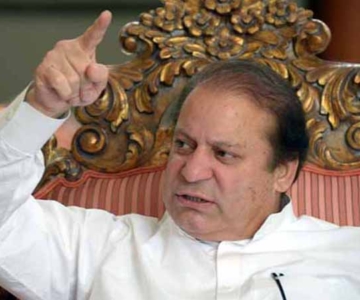
Nawaz’s sixer?
Pakistan Muslim League-N (PML-N) chief Nawaz Sharif’s recent statement on the clear succession plan has killed many birds with the same stone. Amid uncertainty…
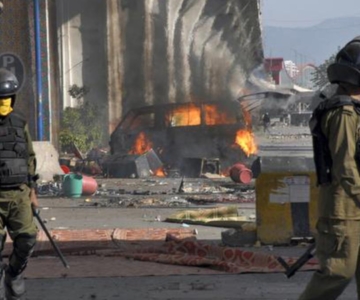
Regime change — the final act?
It seems that the ruling party Pakistan Muslim League (Nawaz) PMLN has entered the final round of its power struggle. With its party head…

Civil-military tensions continue even after Nawaz’s ouster
The tense relations between the civilian government and the khakis indicate that despite Nawaz Sharif’s exit, the latter has not yet lost the political…
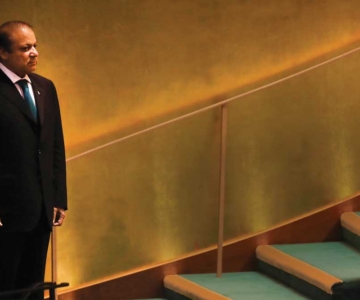
The Fall of Nawaz Sharif
04 August 2017: The Fall of Nawaz Sharif, Open Magazine. The story of Nawaz Sharif’s rise and fall is the story of contemporary Pakistan. For him,…
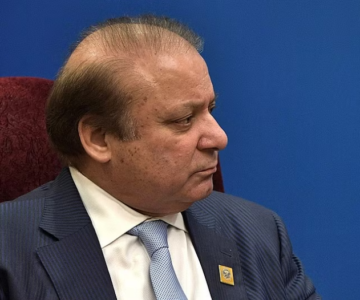
Sharif underestimated impact of Panama on public opinion, relied on legal arguments
August 1, 2017: Sharif underestimated impact of Panama on public opinion, relied on legal arguments (The Print) Judges were not oblivious to public opinion and…
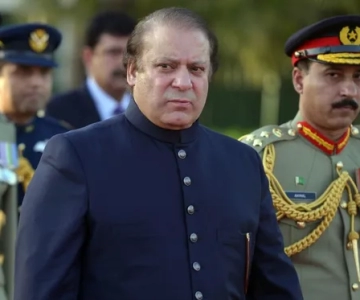
Nawaz’s forced exit redraws power matrix
Nawaz Sharif’s disqualification was not an unforeseen event. The situation since last year had been leading towards a grand finale and his forced exit…
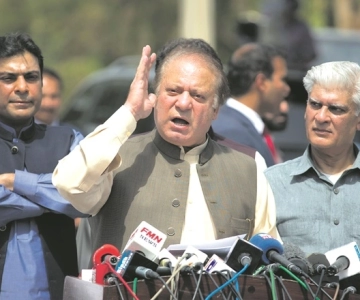
Accountability or regime change?
Another déjà vu moment is knocking at our doors. The Supreme Court has reserved its verdict on the Panama Leaks case implicating the…
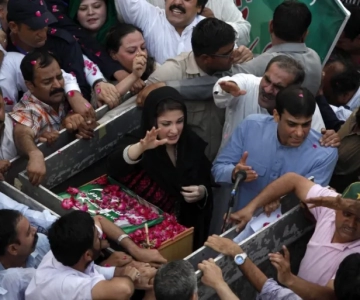
This summer Pakistan enters into another phase of instability
Pakistan is slowly gearing up for another round of political instability. By all accounts, the Prime Minister and his political fortunes are likely to…
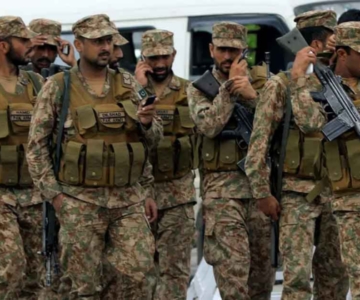
Sagacious move by the military – Pakistan wins
Pakistan’s military leadership, by issuing its latest statement on the Dawn Leaks issue through the Inter-Services Public Relations (ISPR), has done the democratic process…