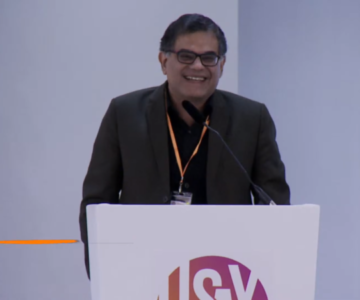
Standing Up To Injustice
My talk involving human rights, minority rights and injustice.…
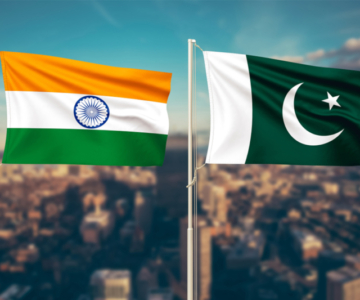
India, Pakistan Need To Get Their House In Order Before Blaming Each Other
PM Imran Khan has taken notice of two Hindu women abducted and converted to Islam in Sindh’s Ghotki district. Father of the girls, Raveena…
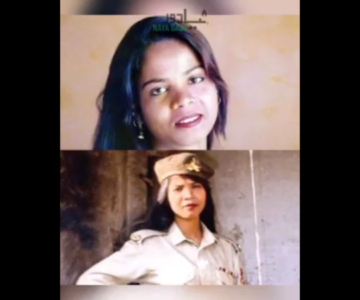
8 years in prison without fault: Asia Bibi leaves Pakistan
It’s a shame that Asia Bibi wouldn’t be able to live in Pakistan, her home country, where she was born, raised and jailed for…
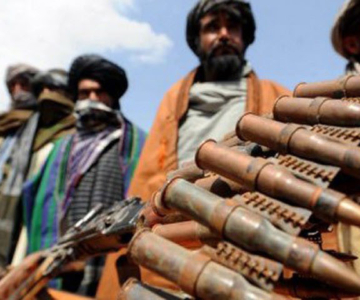
To protect Pakistanis, reframe security policy
Pakistan’s treatment of its minorities is unenviable to say the least. It is ironic that a country created to protect the Muslim minority of…
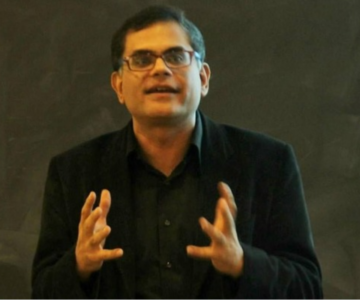
My interview with Interfaith Radio, DC
My Interview with Interfaith Radio, DC. This interview was conducted in wake of the latest attack on the Christian community in Lahore on Easter…
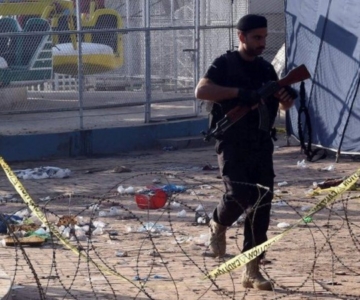
Even as Lahore limps to normalcy
A splinter group of the Pakistani Taliban has claimed responsibility for killing at least 72 people in a heinous attack in Lahore at a…

‘Blasphemy laws have become an instrument of malicious motives’
The International Commission of Jurists (ICJ) in its new report On Trial: the Implementation of Pakistan’s Blasphemy Laws, has documented the widespread fair trial violations…
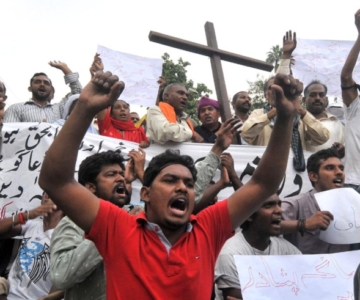
Pakistan fails its Christians again
The dual suicide attacks on Lahore’s Christian churches last Sunday were a continuation of evidently unstoppable violence against the country’s minorities. A gruesome lynching…
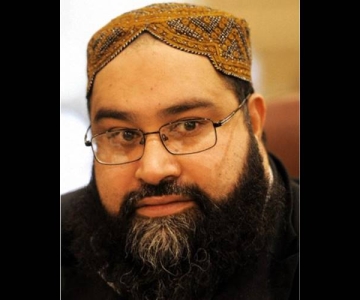
Protect minorities, says Pakistan Ulema Council
In an unprecedented expression of support for religious minorities in Pakistan coming from a religious group, the Pakistan Ulema Council (PUC) demanded equal rights…
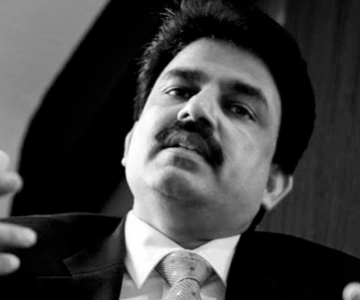
Remembering Shahbaz Bhatti, an unsung hero of Pakistan
It has been over three years that Pakistan lost a brave Christian citizen Shahbaz Bhatti for his relentless advocacy of human rights and in…
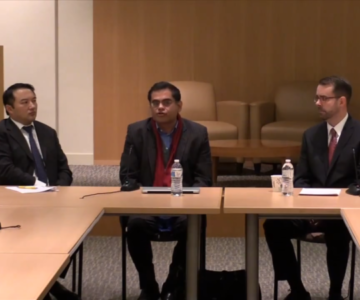
The Rise of Religious Intolerance in Pakistan: Implications for Democratic Development and Human Rights
My talk at the National Endowment for Democracy on religious intolerance in Pakistan. In early November 2014, a mob in Kasur, Pakistan burned a…
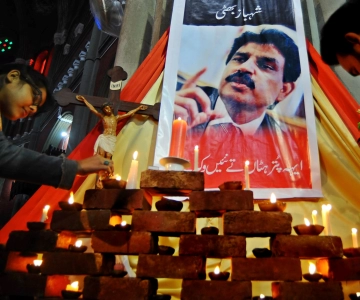
Remembering Shahbaz Bhatti, an unsung hero of Pakistan
Fate connected me to Salma Peter John – the widow of Pakistan’s slain Christian Minister Shahbaz Bhatti who was assassinated by violent extremists. I…
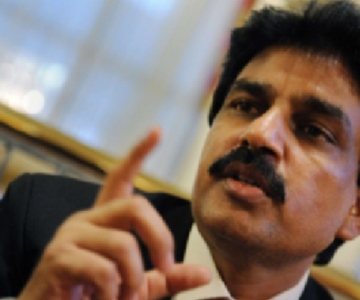
Fascists strike again in Pakistan: Minorities Minister killed
Raza Rumi Sometimes it feels we are living in stone age where no dissent and no call for a tolerant society is possible. Murder,…
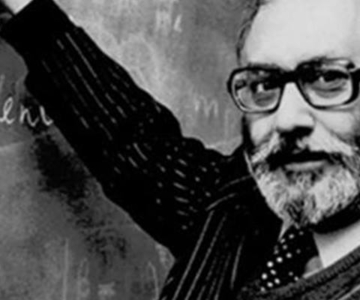
Pak Nobel laureate’s Ahmedi status hurdle for documentary
I was quoted in this story – a slight spin but an important point nevertheless.. Two young Pakistanis are battling all odds to make…
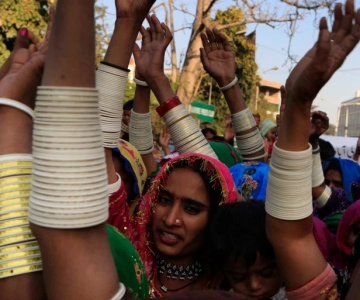
Casteism is alive and well in Pakistan
What do you expect of a country where the aboriginals are known as janglis, asks Raza Rumi It is a cliche now to say…
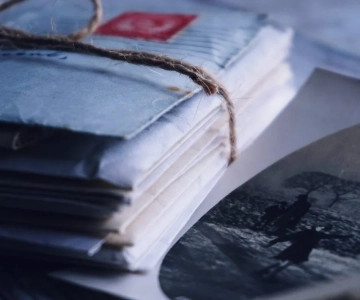
Prophet’s letter on the protection of Egyptian Copts
I am grateful to Saadi to have forwarded me the this amazing ancient text. ******** The Letter of Prophet Muhammad Below is the English…