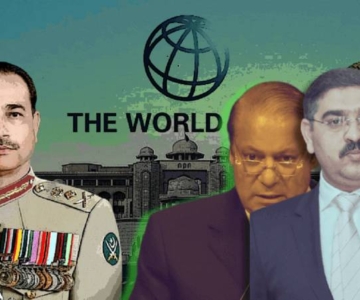
Reform Is A Political Process. Unelected Elites And Technocrats Will Fail, Once Again
Last month, yet another conference on policy ‘reforms’ was organised by the World Bank and its local partners. This must be the umpteenth such…
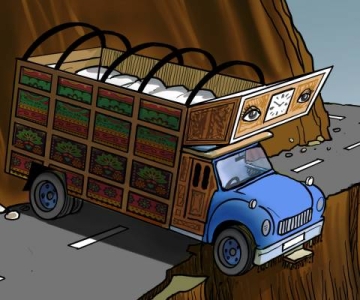
Imran Khan Vs Military Establishment: The Final Showdown Begins?
The ugly scenes of excessive shelling, PTI workers pelting stones at the police force and the eventual incapacity of the government to arrest former prime minister Imran…
Pakistan’s crumbling institutions
Published in The News (Sunday) Pakistan’s instability is a clichè, almost a self-fulfilling prophecy. All the theoretical ingredients for stability are there: an elected…
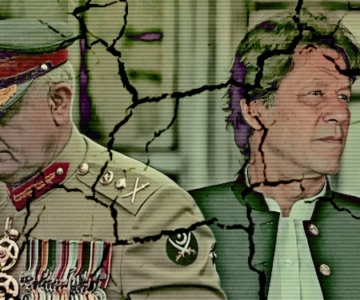
Pakistan In 2022: Hybrid Regime Will Unravel But Pakistanis Will Pay The Cost
The ‘hybrid regime’ that has been governing Pakistan since 2018 became hostage to internal contradictions and external pressures throughout the year 2021. The year…
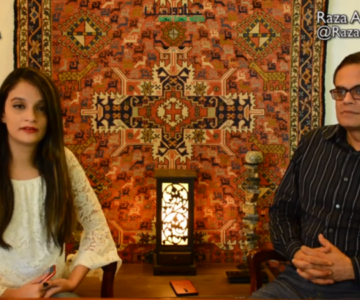
The PTM ‘Problem’ And Pakistan’s Security Establishment
In this video, Raza Rumi and Ailia Zehra discuss the recent Pashtun uprising including the PTM challenge and how state should deal with it.…
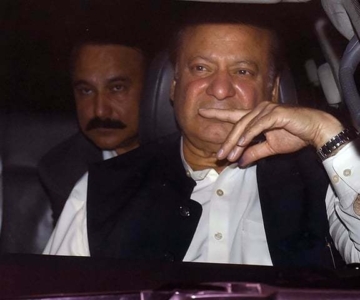
Murtaza Solangi tells Nawaz Sharif and establishment reached no deal
There are rumours of a deal between Nawaz Sharif and the establishment and not only senior members of Pakistan Tehreek-e-Insaf’s (PTI) federal and Punjab…
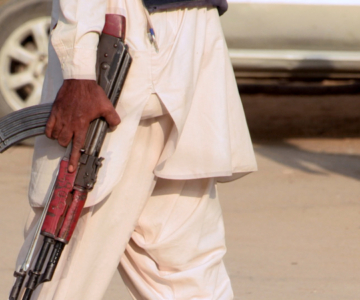
Raza Rumi on Defence ministers ultimatum to taliban
Raza Rumi’s analysis on the statement of Defence Minister Khwaja Asif. The minister indicated at an operation in caseterrorist attacks from the other side…
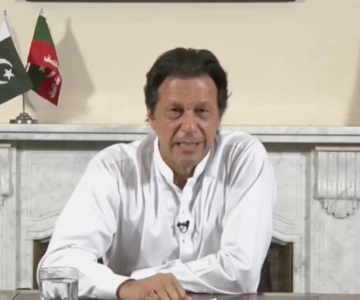
Imran Khan is Pakistan’s new captain. Will he deliver?
Pakistanis on July 25 elected Imran Khan as their new prime minister. Even though the complete results have not been declared, he made a…

The state may be hedging that mainstreaming JuD will wean its cadres away from militancy
September, 2017: The state may be hedging that mainstreaming JuD will wean its cadres away from militancy (The Print) In the fourth of a four-part…
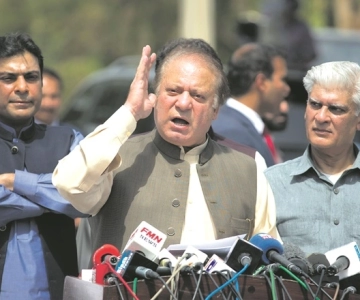
Accountability or regime change?
Another déjà vu moment is knocking at our doors. The Supreme Court has reserved its verdict on the Panama Leaks case implicating the…
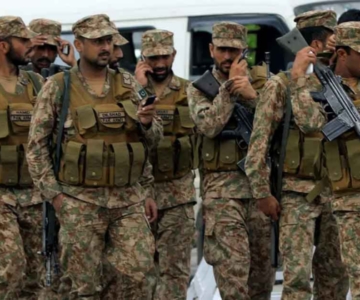
Sagacious move by the military – Pakistan wins
Pakistan’s military leadership, by issuing its latest statement on the Dawn Leaks issue through the Inter-Services Public Relations (ISPR), has done the democratic process…
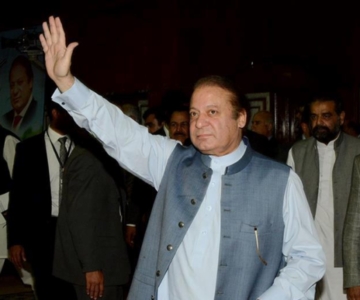
Democracy in recession?
On the surface, things could not appear to be better for Prime Minister Nawaz Sharif. With a majority in parliament, electoral rigging charges thrown…
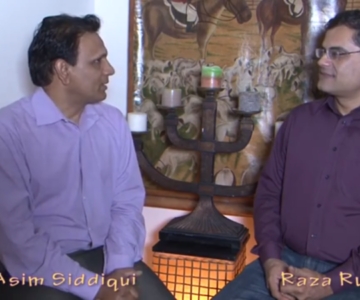
TALAASH WITH RAZA RUMI
Raza Rumi’s analysis on the political unstability in Pakistan in the wake of 2014 dharna and protests. Rumi says that the incumbent government has…
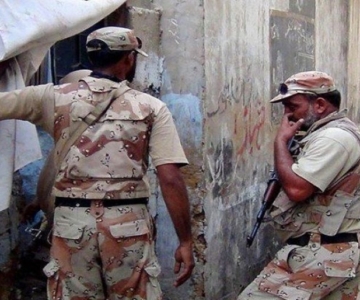
Raza Rumi says that Karachi operation not the ultimate solution, we have to build institutions
Raza Rumi says that the sucess of the operation in Karachi can only be guranteed if all the stakeholders are taken into consideration. However,…
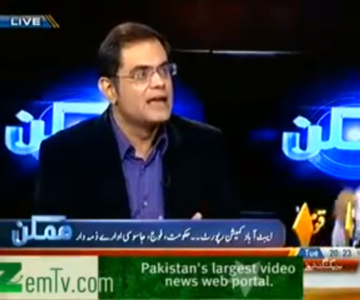
Raza Rumi says OBL Commission fails to serve its purpose
Raza Rumi’s analysis of the OBL comission report. He says the report has not clearly identified who is responsible for the incident.…
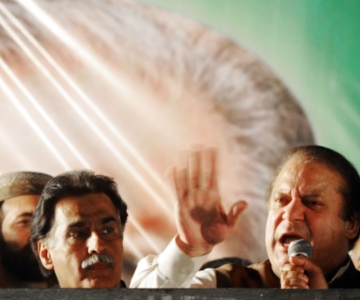
Nawaz Sharif, a veteran of Pakistan’s political tumult
CNN’s Jethro Mullen weighs in on Nawaz Sharif The strongest contender to become the next Pakistani prime minister is hardly a newcomer to the…
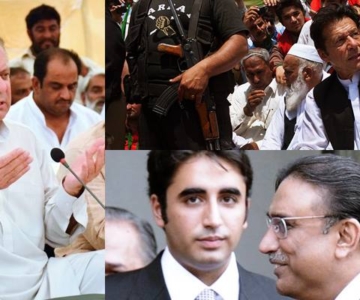
Challenges of Political Transition
My piece published here Pakistan’s next general election, due in a few months, will be the first where civilian forces are in charge of…
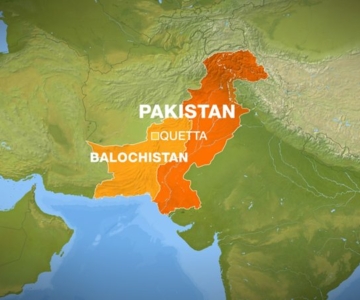
It is time to engage with the Baloch nationalists
There seems to be a serious dearth of imagination while searching for solutions on Balochistan As Dr Pervez Hoodbhoy recently wrote, “Men like Rohrabacher…
Governance crisis cannot be treated by old formula of changing faces
An old piece that I could not post earlier: Commenting on the melting state of the economy, a reputed economic analyst stated how the…
Enigma of democratic governance
Pakistan’s President Iskander Mirza (1956-58) is remarked to have said that democracy was ‘unsuited’ to the genius of Pakistani people. Decades later, similar questions…