State Control, Corporate Interests, and Media Independence in Pakistan
During the past two decades, the media sector in Pakistan has grown immensely in terms of scale and influence. With the deregulation policy and…
As Pakistan approaches a crucial election, its media watchdog bans critical voices from TV
On 18 August, Pakistan’s media watchdog directed all TV channels to stop giving airtime to 11 people: a group including journalists considered close to former Prime…
Pakistan’s crumbling institutions
Published in The News (Sunday) Pakistan’s instability is a clichè, almost a self-fulfilling prophecy. All the theoretical ingredients for stability are there: an elected…
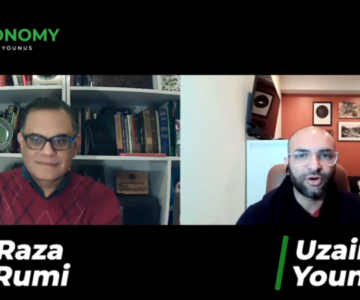
My Interview On Digital Media In Pakistan And Beyond
The mainstream media in Pakistan does not give a full picture or cover all pertinent angles. The main job of media is to inform…
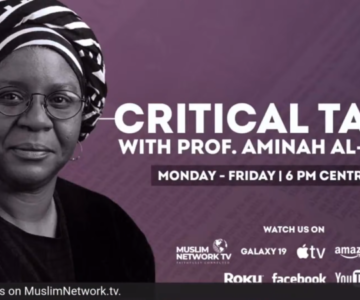
US Media Environment: My Interview With Prof Aminah Al-Deen
Raza Rumi and Prof. Aminah Al-Deen discuss the alarming state of journalism and media in the United States. They discuss how all American mainstream…
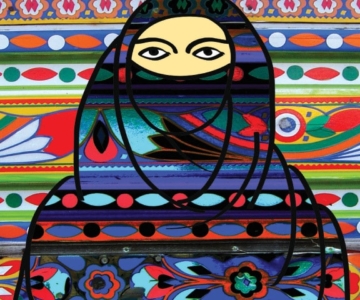
Pakistan’s Changing Popular Culture: Discussion With Mohsin Saeed, Fauzia Yazdani, Sabahat Zakariya and Ahmer Naqvi
A riveting discussion on the (d)evolution of popular culture in Pakistan, and its relation with media. We as humans and communities are constantly involved…
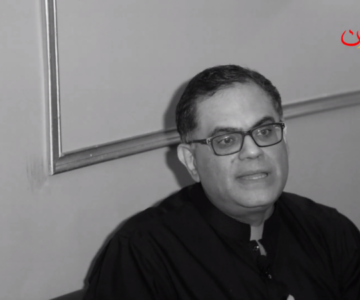
My Interview on Identity, Politics and Media
I was interviewed by Roshandan team in the summer of 2019. Saw the video a little late. Here’s the video and there is a…
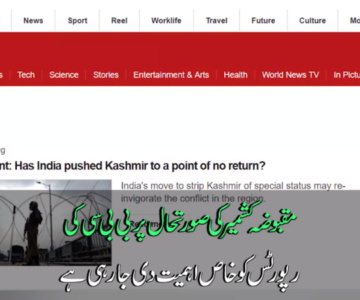
کیا بی بی سی جانبدار رپورٹنگ کرتا ہے؟ | نیا دور | اردو
برطانوی خبر رساں ادارے بی بی سی پر یہ الزام عائد کیا جاتا ہے کہ وہ جانبدار رپورٹنگ کرتا ہے اور اس کا جھکاؤ…
The Story Of Naya Daur Media By Raza Rumi
Raza Rumi in this video explains how Naya Daur Media was conceived and what are its sources of funds.…

Media continues to suffer crackdown as political parties look the other way
وزیر اطلاعات فواد چوہدری نے حال ہی میں سوشل میڈیا پر کریک ڈاؤن کا اعلان کیا ہے۔ اس اعلان کے بعد ایف آئی اے…
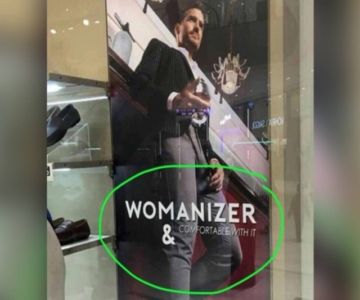
Misogyny normalized by media through sexist content
Sexist slurs, jokes are a norm in Pakistan. This is not limited to Khawaja Asif’s remarks against Shireen Mazari or Aamir Liaquat’s suggestive captions.…
Raza Rumi says that Pakistani electronic media promoted extremism
Raza Rumi’s take on how media in Pakistan has promoted extremism. He asserts that the attitudes prevalent in social media is similar to that…
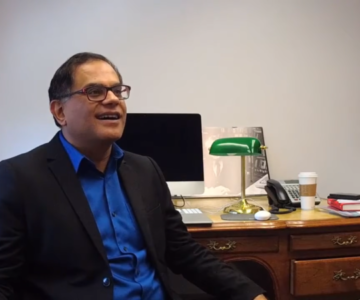
Interview with new PCIM Director Raza Rumi
Raza Rumi’s shares his vision as the new PCIM director.…
What are the major problems women face in society? Who are responsible?
What are the major problems women face in society? Who are responsible? Watch in the below video!…
Reporters Without Borders Q and A
Raza Rumi talks about threat to press freedom across the Globe. Rumi asserts that the expanded power of Media always threatens the governments because…
Independent Media Are Vital in a World Where Oligarchies Control Information
Transcript of my interview by @brontecook1 for WICB News about the Park Centre for Independent Media, and why it’s so important for students to get involved in independent…
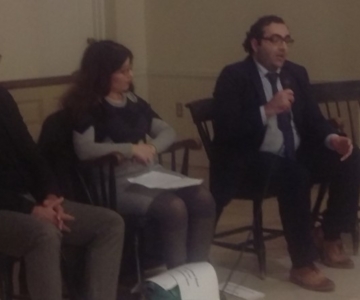
Free Press, Foreign Journalists: Conversation about free speech outside the U.S.
Panelists, from right: Raza Ahmad Rumi, director of Park Center for Independent Media at Ithaca College and an editor of the Daily Times English-language…
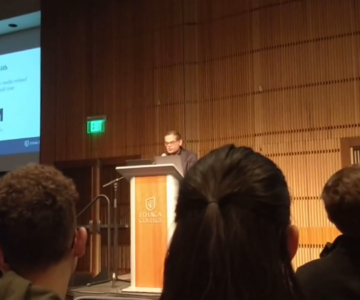
Introducing Barandon Smith at Ithaca College
Smith has been published in The Guardian, Al Jazeera, The Daily Beast and other publications and won the Izzy Award with activist Jamie Kalven in…
‘In My Own Words’: Did We Kill The Messenger?
October 23, 2018: ‘In My Own Words’: Did We Kill The Messenger? https://soundcloud.com/ithacan-main/in-my-own-words-did-we-kill-the-messenger All month we’ll be bringing you a little something different here at…
New independent media director brings international perspective
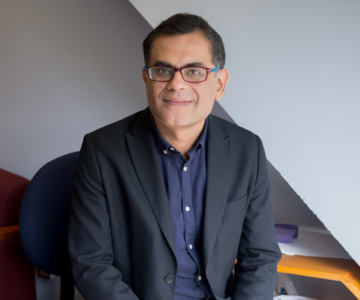
September 23, 2018: New independent media director brings international perspective When Raza Rumi went home for winter break last year, he believed he had just…