Jahane Rumi In search of the unsearchable: O, my soul! where would you find your house?

26Aug/081

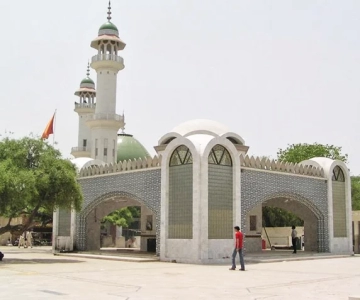
Urs of Bulleh Shah in Kasur

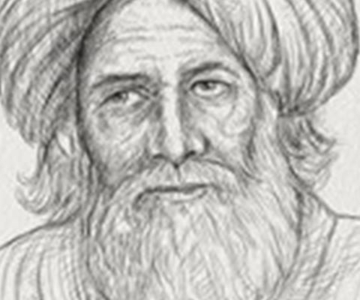
The annual Urs of Bulleh Shah, the Punjabi mystic poet, commenced yesterday in Kasur yesterday. Bulleh’s poetry reflected his rejection of orthodox hold of mullahs over Islam, the nexus between the clergy and the rulers and all the trappings of formal religion that created a gulf between man and his Creator. A common theme of his poetry is the pursuit of self-knowledge that is essential for the mystical union with the Beloved. Among Bulleh's timeless verse, I love this one

21Aug/088

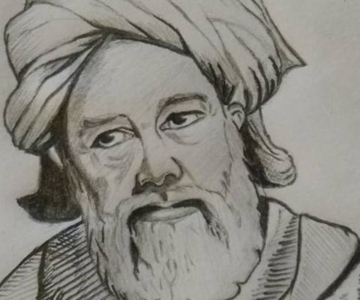
Kabir, Bulleh and Lalon – Petals of a mystic lotus

Also published in the Weekly Friday Times July 24 issue

The subcontinent during the 15th century witnessed the coming of age of a process that started brewing with the arrival of Central Asian Sufis, those eternal travellers who arrived in India with a message of Islam and mystic love. When Sufi thought, an off-shore spiritual undercurrent to the rise of Islam, met its local hosts, the results were terrific. There was no shortage of fundamentalists and communalists in that cultural landscape; and the gulf between alien rulers and the native subjects was a stark reality as well.

Nevertheless, a synthesis of sorts was navigated by hundreds of yogis, Sufis and poets of South Asia. Very much a people’s movement from below, the Bhakti movement articulated a powerful vision of tolerance, amity and co-existence that remains relevant today. This is many centuries before the suave, Western-educated intelligentsia coined the “people-to-people” contact campaigns. Yes, much has been lost in the tumultuous 20th century and perhaps these histories are irreversible. But a vast and complex common ground was nurtured by mystic poets of northern India, now comprising India, Pakistan and Bangladesh.