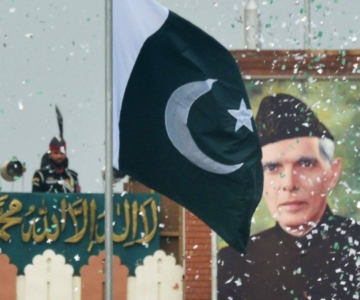
Who Was First Pakistani Citizen? Hint: It’s Not Jinnah
He was born to Jewish parents in Austria and came from a long line of Jewish Rabbis but ended up becoming the first person…
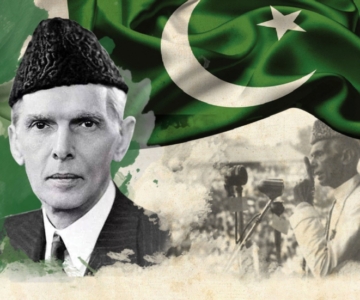
In search of Jinnah’s Pakistan
As we celebrate the 70th anniversary of Pakistan’s creation, it is important to revisit the key questions that have befuddled the country. What is…
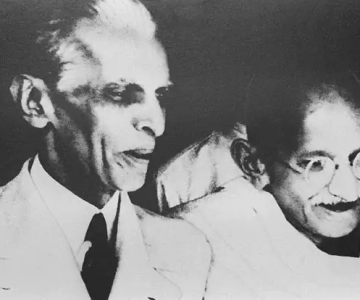
Can India and Pakistan continue to blame the colonists for their failure to liberate its people?
Independence Day in India and Pakistan is a strange moment. Celebrating the end of racist imperialism comes along with the underplayed horrors of a…
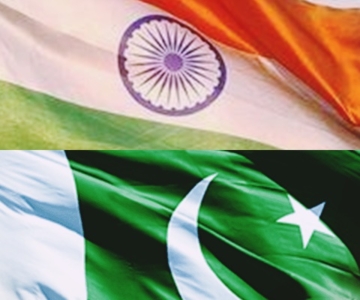
National identity sans freedom
A few quotes from this article in the Hindustan Times – incidentally it also includes what I rambled…. Freedom means everything. But I’m not…
The pursuit of the Southasian past
Moving beyond the colonial-era understanding of the history of the Subcontinent gives us a whole new way of looking at the Subcontinent’s past. This…
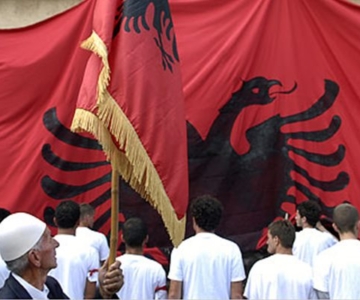
Kosova is finally independent
The ultimate frustration of not being able to vote, sitting miles away from home, was somewhat compensated by the moving images of the Kosovo’s…
Nazmain Chand – Poems for 15th August
Happy Independence day to the Indian friends and readers! Today’s post comprises a few poems that may capture several moods and facets of the…
60 Years of Independence – some links
Found these great links on the internet: Freedom at Midnight by VK Joshi Bombay Stock Exchange – Epitomizing India’s Growth by Nayanima Basu Raising…
Du’aa (Prayer) on the Independence Day
This moving poem by Faiz was written forty years ago and still sounds so fresh and relevant… Du’aa (Prayer) — A nazm for Pakistan’s…
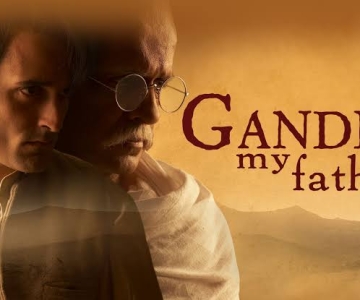
‘Gandhi, My Father’ – humanising heroes
It is an interesting coincidence that the new Bollywood film, Gandhi – My Father has been released days before the subcontinent celebrates sixty years…
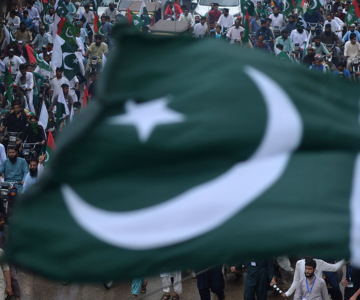
Freedom Dawn?
It is 14th August today. My country is fifty nine years old. It is much stronger than it was in 1947. It is still…