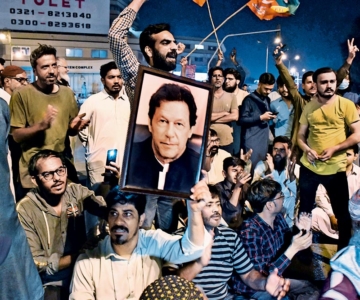
Pakistan: No Country For Rebellion
Following the tumultuous events in Bangladesh and the dramatic ouster of Sheikh Hasina, Pakistani analysts have been debating if such a regime change was likely in their…
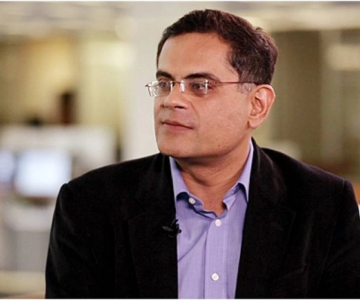
As Pakistan approaches a crucial election, its media watchdog bans critical voices from TV
On 18 August, Pakistan’s media watchdog directed all TV channels to stop giving airtime to 11 people: a group including journalists considered close to former Prime…
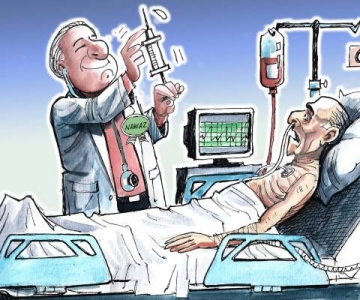
Nawaz Sharif Will Return To Imran Khan’s Pakistan
The electorate blames the PML-N for the inflation that’s making their lives difficult, and Imran Khan owns the anti-establishment narrative despite being locked up.…
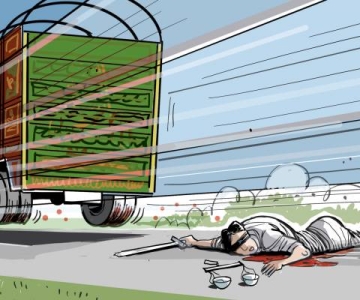
Justice Minallah’s Note: Another Warning Sign For The Chief Justice?
The ‘civil war’ within the Supreme Court of Pakistan has intensified. On April 4, a three-member bench headed by Chief Justice of Pakistan (CJP)…
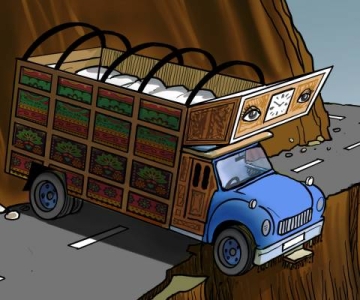
Imran Khan Vs Military Establishment: The Final Showdown Begins?
The ugly scenes of excessive shelling, PTI workers pelting stones at the police force and the eventual incapacity of the government to arrest former prime minister Imran…
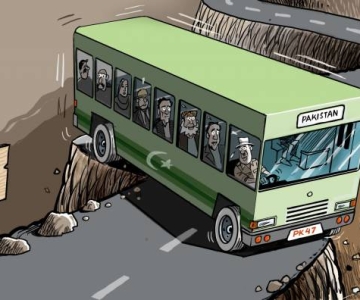
Pakistan’s Ruling Classes Squabble As Masses Endure Hyperinflation
The ongoing polycrisis exhibits the longstanding contradictions within the Pakistani governance system, wherein there is no consensus on who will run the country. Are…
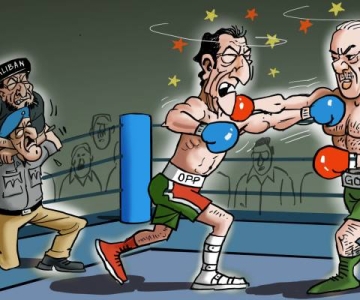
Tackling Pakistan’s Polycrisis Requires Clarity And Consensus. Both Are Missing.
The reluctance of former Prime Minister and chairman Pakistan Tehreek-e-Insaf (PTI) Imran Khan to participate in an All-Parties Conference called by Prime Minister Shehbaz…
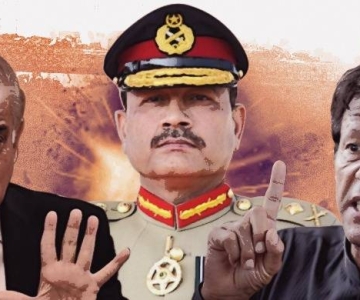
Pakistan’s Elites Have Pushed The Country To The Brink. Can They Fix It?
The resurgence of the Tehreek-e-Taliban Pakistan (TTP) and its relentless attacks on the Pakistani state come at a time when the country faces the…
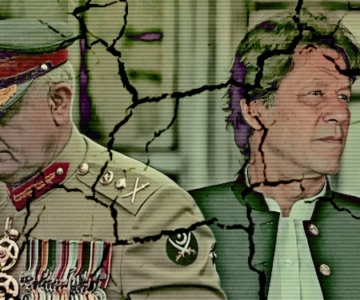
Pakistan In 2022: Hybrid Regime Will Unravel But Pakistanis Will Pay The Cost
The ‘hybrid regime’ that has been governing Pakistan since 2018 became hostage to internal contradictions and external pressures throughout the year 2021. The year…
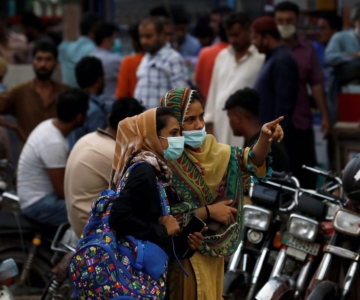
Coronavirus Crisis In Pakistan Has Exposed The Hollowness Of Populism
After weeks of inertia, confused decision-making and contradictory signals, the federal government appears to have realized the urgency of tackling the coronavirus pandemic that…
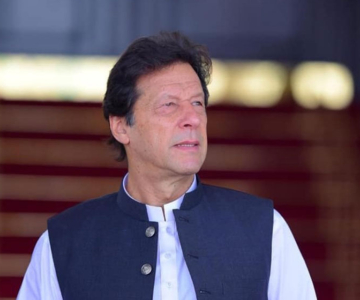
Shifting Political Sands: Imran Khan Should Read The Signs Carefully
PMLN and PPP are getting relief and this is happening despite Imran Khan’s policy of fixing his ‘corrupt’ opponents. Such developments may culminate in…
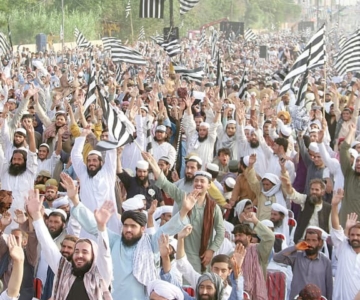
Will Fazal’s dharna lead to regime change?
Discussion on Maulan Fazal-Ur-Rehman’s long march. What the consequences will be? Will Fazal’s march lead to change of Imran Khan’s regime?…
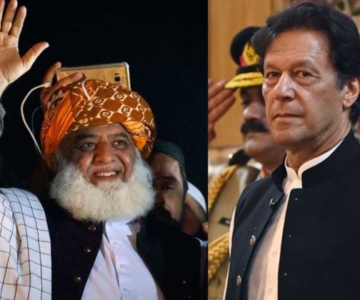
Martial law won’t help. Imran must talk to Fazal
My Analysis on Mulana Fazal-Ur-Rehman’s long march – 2019…
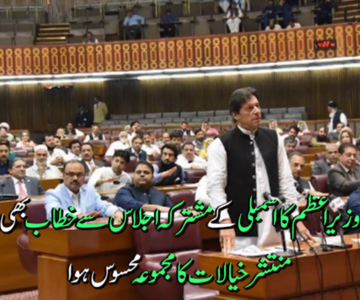
مسئلہ کشمیر پر پاکستان واضح حکمت عملی کا اعلان کرنے میں ناکام
بھارت نے غیرقانونی طور پر مقبوضہ کشمیر کی خصوصی حیثیت کو ختم کر دیا ہے, بھارت کے اس اقدام کے ردعمل میں پاکستانی قیادت…
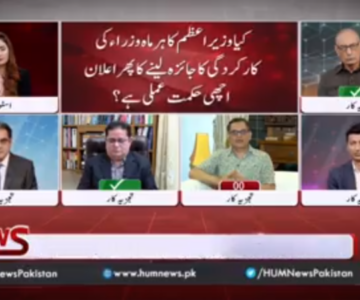
وزیراعظم کا ہر ماہ وزرا کی کارکردگی کا جائزہ لینے کا اعلان اچھا اقدام ہے،
وزیراعظم کا ہر ماہ وزرا کی کارکردگی کا جائزہ لینے کا اعلان اچھا اقدام ہے،اب یہ وقت ہے کے تبدیل نعرے اور پی ٹی…
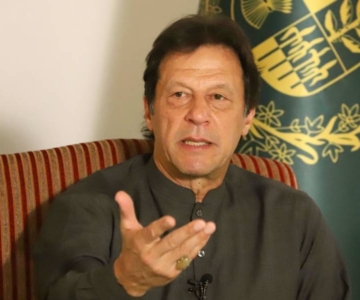
In Conversation With Raza Rumi About PM Imran Khan’s Performance, Media Censorship And More
In this special video, Naya Daur Editor Raza Rumi talks to Ailia Zehra about political situation of the country including the “accountability” drive, media…
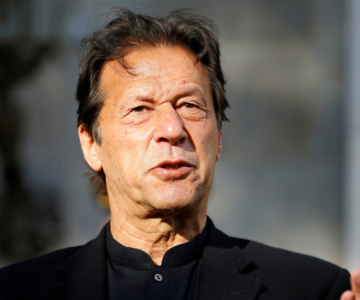
Raza Rumi Thinks Imran Khan’s Govt Has Failed At handling The political Situation
Raza Rumi thinks Imran Khan’s govt has failed at handling the political situation, maintaining public’s confidence and laying out a clear plan for dealing…
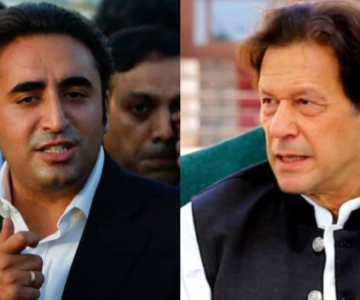
PM Imran Khan vs Bilawal Bhutto: Imran Khan Slammed Over ‘Sexist’ Remarks
PM Imran Khan has had a tough week. He has been under immense fire from all quarters over his statements during his Iran visit.…
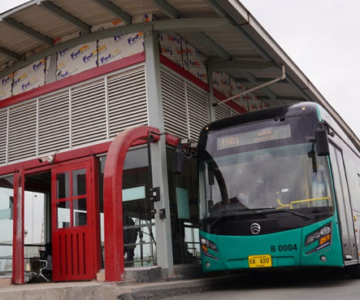
Incomplete BRT Project Raises Question Mark On PTI’s Performance in KP
TransPeshawar or Bus Rapid Transit is a mega-development project initiated by Pakistan Tehreek-e-Insaf (PTI) government. It is still under construction. The project will be…
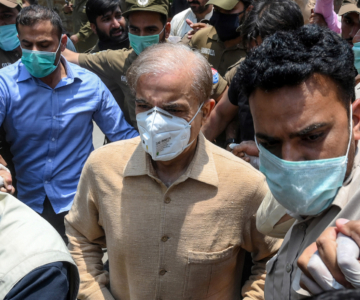
When democracy turns into a farce
October 7, 2018: When democracy turns into a farce The arrest of Leader of the Opposition and former Chief Minister Punjab Shehbaz Sharif is a reminder…