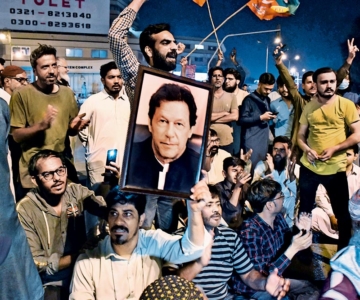
Pakistan: No Country For Rebellion
Following the tumultuous events in Bangladesh and the dramatic ouster of Sheikh Hasina, Pakistani analysts have been debating if such a regime change was likely in their…
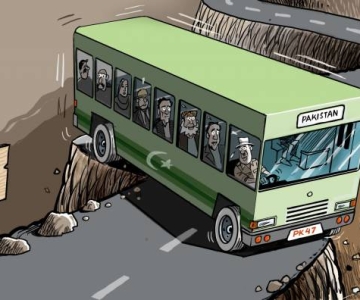
Pakistan’s Ruling Classes Squabble As Masses Endure Hyperinflation
The ongoing polycrisis exhibits the longstanding contradictions within the Pakistani governance system, wherein there is no consensus on who will run the country. Are…
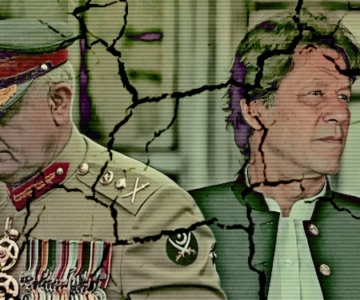
Pakistan In 2022: Hybrid Regime Will Unravel But Pakistanis Will Pay The Cost
The ‘hybrid regime’ that has been governing Pakistan since 2018 became hostage to internal contradictions and external pressures throughout the year 2021. The year…
آئی ایم ایف کی شرائط ماننا حکومت کی مجبوری ۔ ۔ ۔ ۔ ۔! اگلے ایک اور سال تک مہنگائی بڑھے گی اور بڑھتی ہی چلے جائے گی۔
ئی ایم ایف کی شرائط ماننا حکومت کی مجبوری ۔ ۔ ۔ ۔ ۔! اگلے ایک اور سال تک مہنگائی بڑھے گی اور بڑھتی…
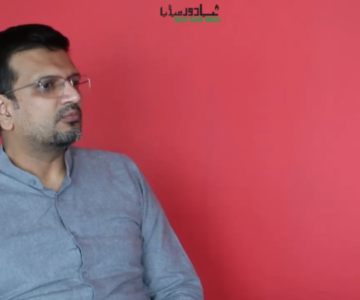
“Devaluation Was A Terrible Decision” – Analysis By Dr Fahd Ali
Dr Fahd Ali, economist and professor at ITU, tells Raza Rumi how devaluation was a terrible decision.…
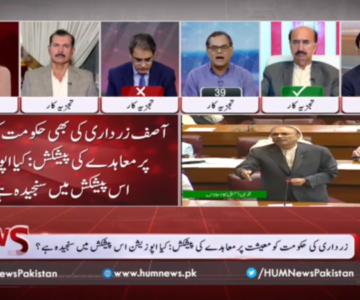
آصف زرداری کی بھی حکومت کو معیشت پر معاہدے کی پیشکش: کیا اپوزیشن اس پیشکش میں سنجیدہ ہے؟
سابق صدر آصف علی زرداری کی جانب سے موجودہ پی ٹی آئی حکومت کو چارٹر آف اکانومی کی پیشکش پر میرا تجزیہ۔ پاکستان کی…
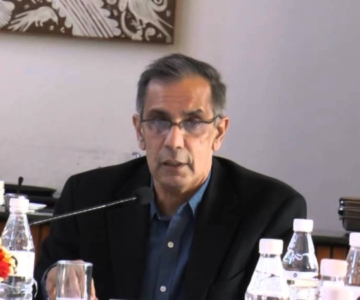
Akbar Zaidi talks to Naya Daur
Akbar Zaidi talks to Naya Daur. Zaidi says instability and govt’s confusion at the heart of economic crisis and therefore govt will have to…
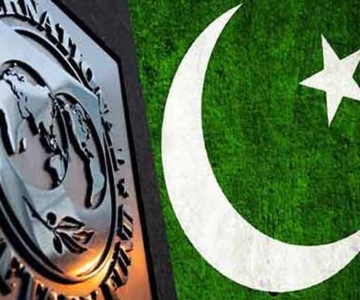
Pakistan needs an IMF deal. Populism does not make countries strong or independent.
My analysis on the recent IMF deal under Imran Khan led PTI government. It is clear that Pakistan needs an IMF deal. Populism does…
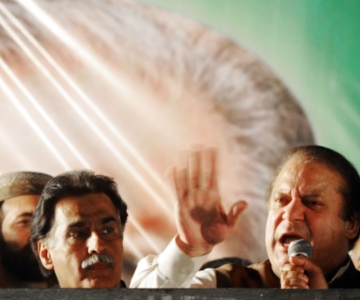
Nawaz Sharif, a veteran of Pakistan’s political tumult
CNN’s Jethro Mullen weighs in on Nawaz Sharif The strongest contender to become the next Pakistani prime minister is hardly a newcomer to the…
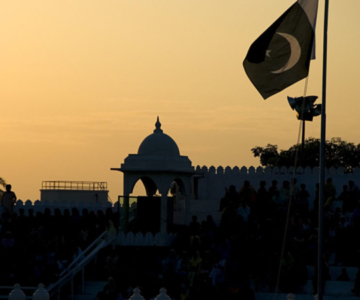
Governance crisis cannot be treated by old formula of changing faces
An old piece that I could not post earlier: Commenting on the melting state of the economy, a reputed economic analyst stated how the…
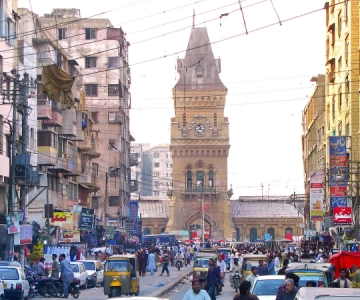
What needs to be done in Karachi
By Raza Rumi The recent escalation of violence and senseless butchery in Karachi serves to remind us once again just how the state is withering away…
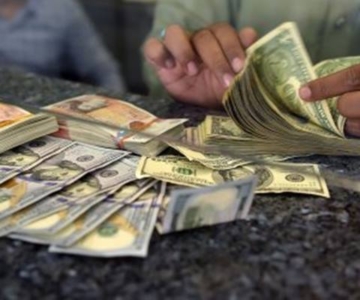
Time for a consensus on economic policy
My piece which was published by The News under the title Prospects of change The recent decision of the federal cabinet to rationalise General…
China: Braving the Storm
China has so far braved many storms. However, this time it will be a test of its political leadership and economic managers to set…
Rescuing the Pakistani state
Pakistani, and by extension the global media, are regurgitating tiresome cliches about corruption without talking about reforming state institutions. For instance, not a single…
To undo the vicious past
Published in the News on Sunday It’s about time a civilian Pakistan functions as a peaceful country with fair share of resources put into…
Pakistan: IMF Programme needs to be debated
Debating the aid plan The not-so-inevitable is about to happen. After weeks of groping in the darkness of global financial mess, the Pakistani government…
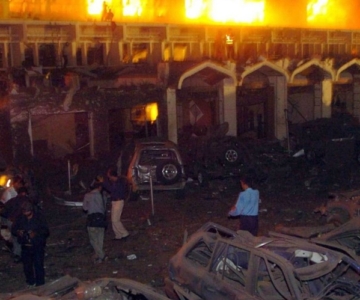
Pakistan Suicide Bombings: The narratives of terror
An overwhelming majority of Pakistan’s population finds itself hostage to narratives of ‘terror’ that are either alien to its ethos or are constructed by…
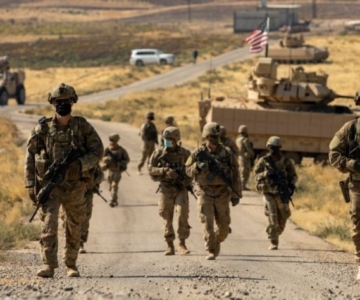
Economist estimates cost of Iraq war to exceed $3 trillion
This is an astounding figure. Not to mention the loss of over 1 million civilians, the sectarian blood-baths, the destruction of a civilisation and…
The China Threat
BOOK REVIEW: Investigating the China threat by Khaled Ahmed The fact that Globalisation has been allowed to sink to the level of a darwinist…
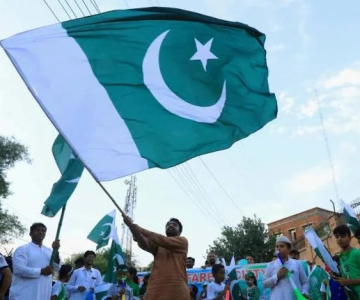
“Behind the Clichs, a Modern Pakistan”
I was sent the captioned article by a friend. Thankfully, not a pessimistic perspective on contemporary Pakistan. The author, Shuja Nawaz, a former international…