State Control, Corporate Interests, and Media Independence in Pakistan
During the past two decades, the media sector in Pakistan has grown immensely in terms of scale and influence. With the deregulation policy and…
A twist in the tale
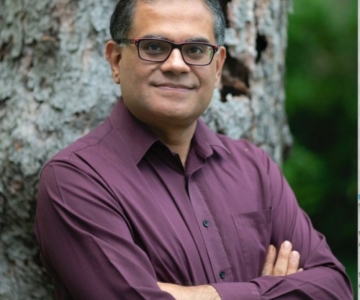
My Interview conducted by Abdullah Khan for Earthen Lamp Journal: ELJ: Tell us something about your journey from being a civil servant to a…
Pakistan’s crumbling institutions
Published in The News (Sunday) Pakistan’s instability is a clichè, almost a self-fulfilling prophecy. All the theoretical ingredients for stability are there: an elected…

Quick Roundup Of 2020: Democracy On Decline, Trump Defeat And Arab-Israel Relations
In an exclusive interview with Wajahat Ahmad, Raza Rumi discusses key global issues. The year of 2020 witnessed the decline of democracy with the…
The Future of Democracy in Pakistan Hinges on Digital Civic Participation
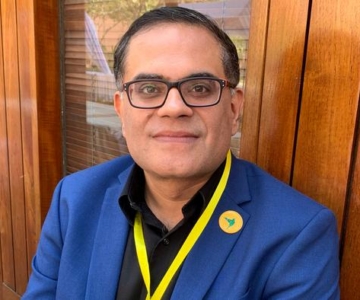
Digital media can be an opportunity for civic engagement by women, ethnic and religious minorities, and the rural poor in Pakistan, says longtime journalist…
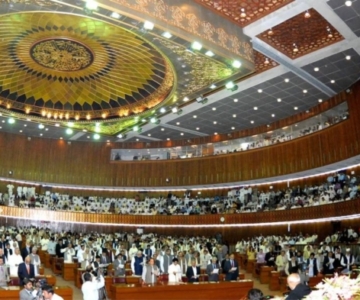
Should Pakistan have Presidential or Parliamentary System?
Raza Rumi says the presidential system has failed 4 times in Pakistan…
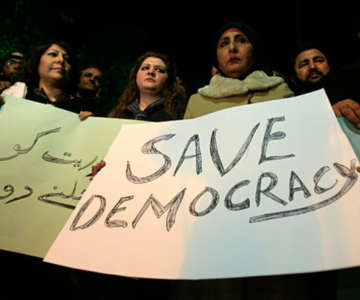
Pakistan’s Failed Experiments With Democracy
In the following video Peter Jacobs tells why democracy hasn’t been successful in Pakistan, and he also talks about India’s intentions for escalating tensions…
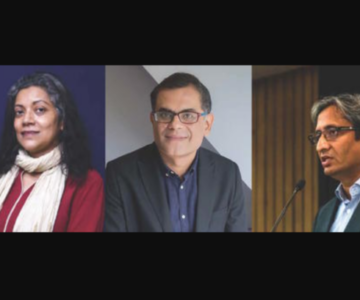
Majoritarian politics in South Asia
Majoritarian Politics in South Asia is a riveting issue, and in 2018, a particularly topical one. The South Asian Studies Council was pleased to…
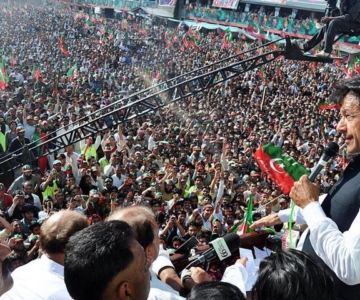
The limits of populism
October 14, 2018: The limits of populism It has been more than fifty days since the creation of Naya Pakistan. The hype, the promise and…
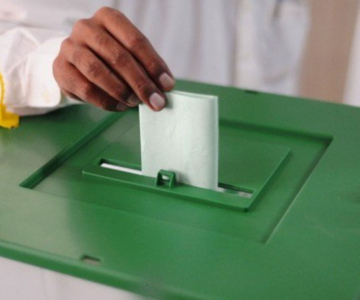
Third election in a decade: democratic process wins
July 25, 2018: Third election in a decade: democratic process wins Pakistanis will elect a new government today. Since the return of democracy in…
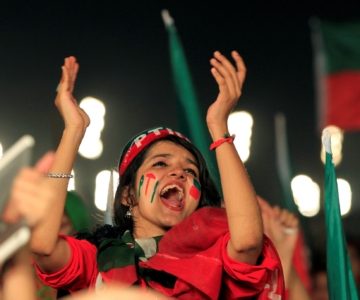
Election 2018 will not lead to political stability
July 1, 2018: Election 2018 will not lead to political stability Pakistani electorate will exercise its right to choose the next government in less…

The limits of electoral engineering
Image Credits: Faisal Mahmood/Reuters June 24, 2018: The limits of electoral engineering In a month’s time, Pakistanis will elect a new government. The political…
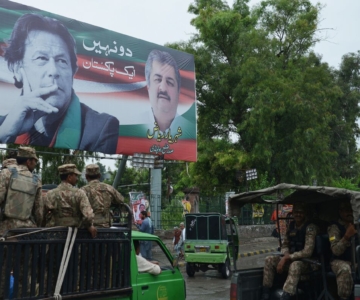
Pakistan’s electoral quagmire
Pakistani soldiers patrol on a street beside a billboard featuring an image of Imran Khan of the Pakistan Tehreek-e-Insaf (Movement for Justice), in Rawalpindi…
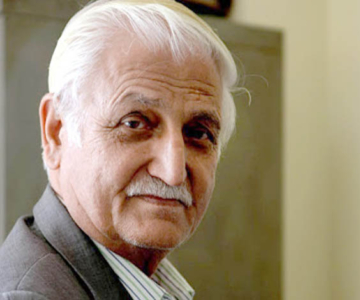
An outgoing senator has warned the political elites. Are they listening?
Pakistan People’s Party’s former spokesperson Senator Farhatullah Babar, in his farewell speech, created history by stating some bitter facts about Pakistan’s dysfunctional democracy. What…
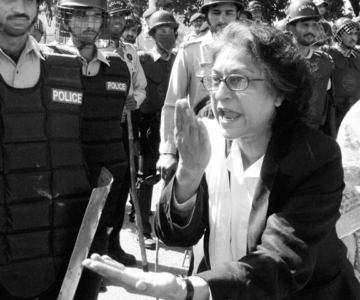
Asma Jahangir is no more — but her formidable legacy lives on
It will take some time to accept that Asma Jahangir has gone silent. That she is not at the centre of Pakistan’s political discourse.…
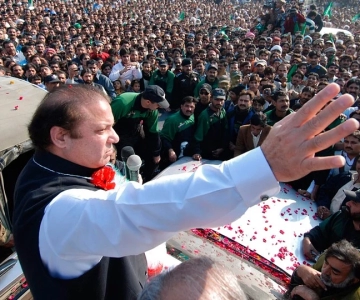
The dynamic political scene confirms a fast changing Pakistani society
The disqualification of Nawaz Sharif through a controversial court verdict was the easier task. Reining in his support and ousting him from the political…
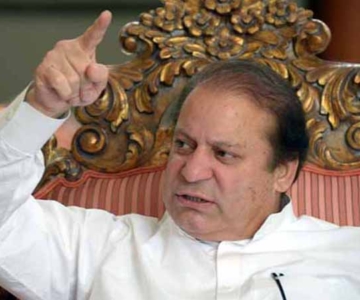
Nawaz’s sixer?
Pakistan Muslim League-N (PML-N) chief Nawaz Sharif’s recent statement on the clear succession plan has killed many birds with the same stone. Amid uncertainty…
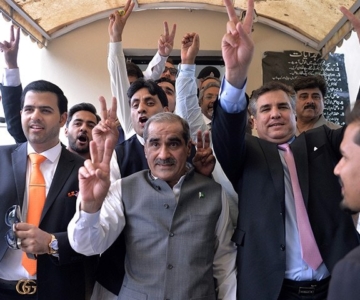
An elusive victory
Third time elected PM has once again survived in office. Two Supreme Court judges in their dissenting judgment found Sharif guilty of the charges…
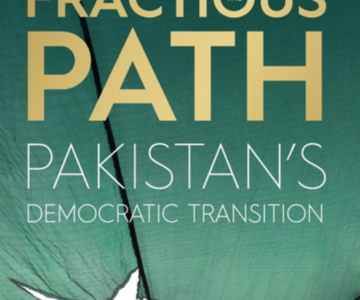
Fighting for democracy
Raza Rumi is a Pakistani journalist and policy analyst who is currently Visiting International Scholar in Residence at Ithaca College, US. A consistent voice…
Raza Rumi on Journalists at danger in Pakistan
Raza Rumi’s analysis on the current situation of journalists in Pakistan. Raza asserts that unfortunately media houses and the state itself has not been…