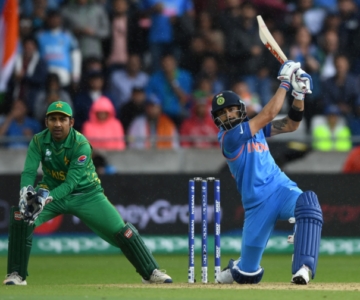
Pulwama attack brings tension on the cricket playground
Both India and Pakistan cricket team are suppose to play against each other in June but due to the Pulwama attack accusation against the…
Pakistan: Hiding state failure by invoking the ‘foreign hand’ theory
1) Repetitive trends. When Sri Lanka’s cricket team was attacked in Lahore the civil administration and police on TV said India did it. Raza…
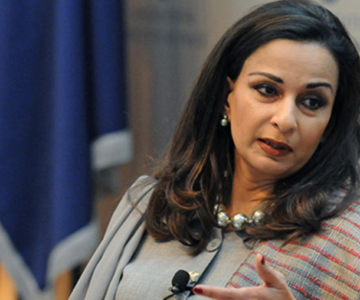
The Mohali exchange did not take place in a policy vacuum – Sherry Rehman
An interview with Sherry Rehman who visited India with Pakistan’s Prime Minister to enjoy cricket and build bridges with India. It was the first…
A nation determined to be innocent
There's massive disappointment and anger that this could happen at a time when the country is going through such a bad phase," he said.…
Match fixing: shameful and unacceptable
The match-fixing allegations are not new for Pakistani cricketers. In the past, such allegations have been proved within the country. The recent scandal with…
Is it just cricket? Indian team should have come to Pakistan
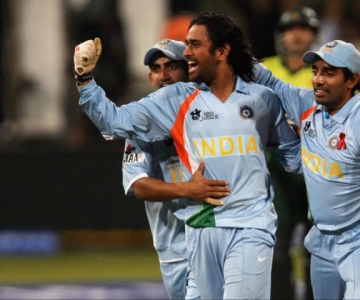
“The tour’s cancellation means that terrorists have won; this is what they wanted to achieve.” I was quoted in a piece published by Hindustan…
Shoaib Akhtar – a fallen hero
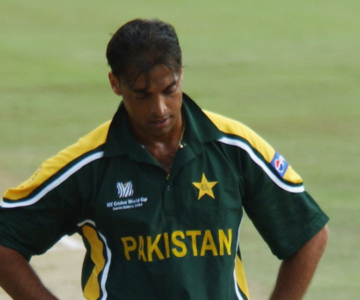
There have been some avoidable outbursts by both Akhtar and his disciplinarians. Akhtar has a chequered past in the conventional sense; and perhaps his…
Internet love, Cricket and more masala
Pakistan cricket captain’s ‘net marriage fraud’ By Robyn Powell and agencies Pakistan’s cricket captain has accused the family of an Indian girl of trying…

Shoaib Akhtar in Delhi
This photo was published by the Daily Times with the caption New cap for Pakistan? with the following text: Shoaib Akhtar light-heartedly wears the…
“Seeds of peace on cricket field”
Saw this insightful piece by a Pakistani researcher in the Baltimore Sun. Read more >>…