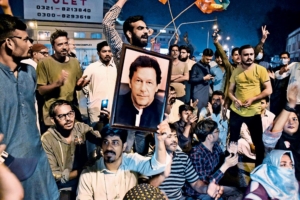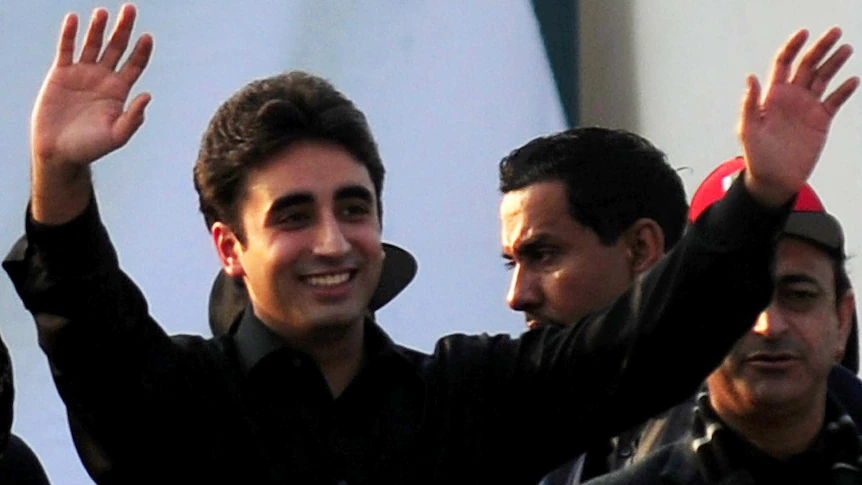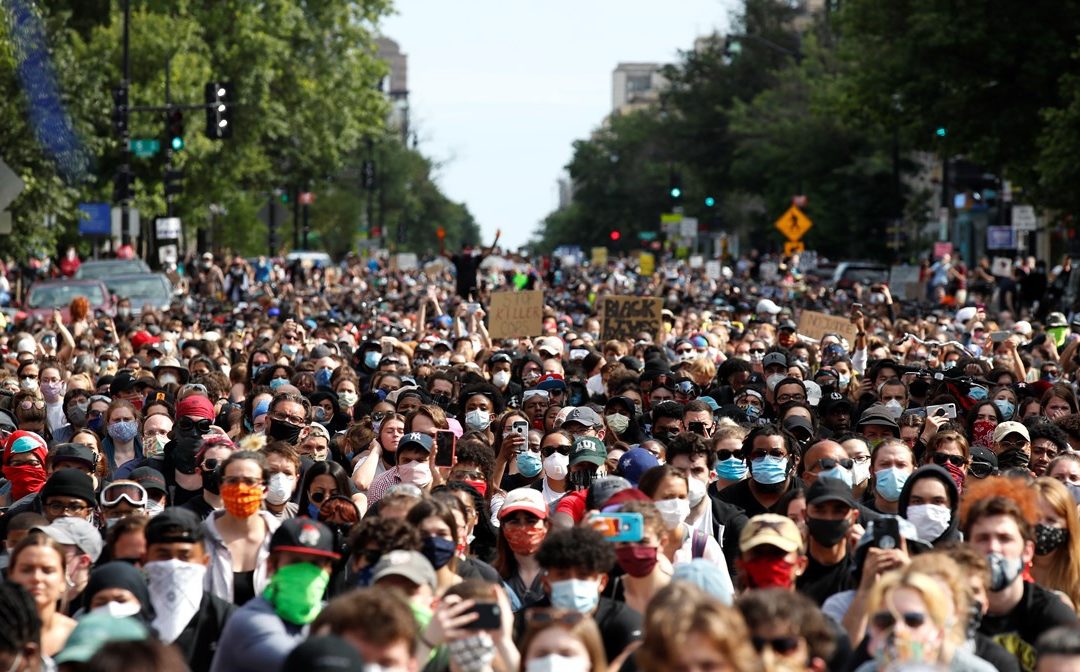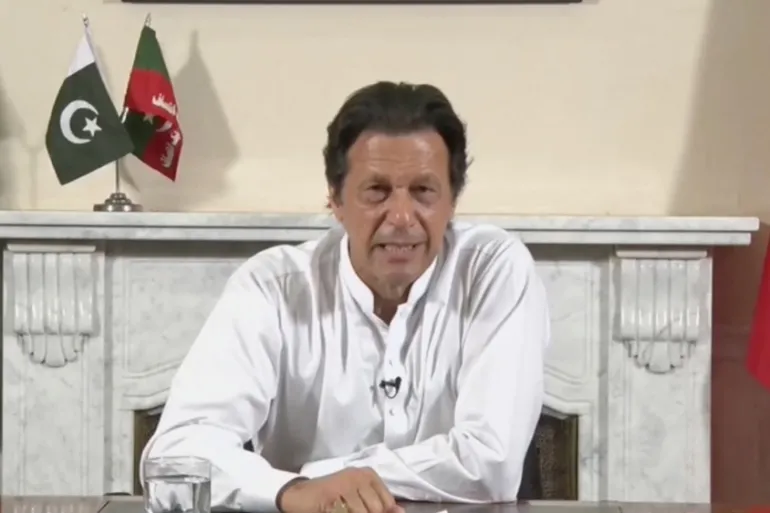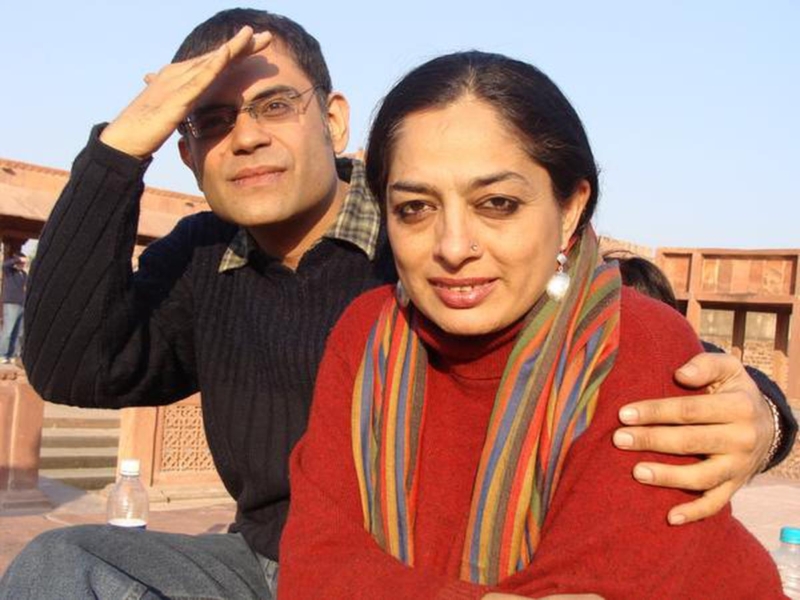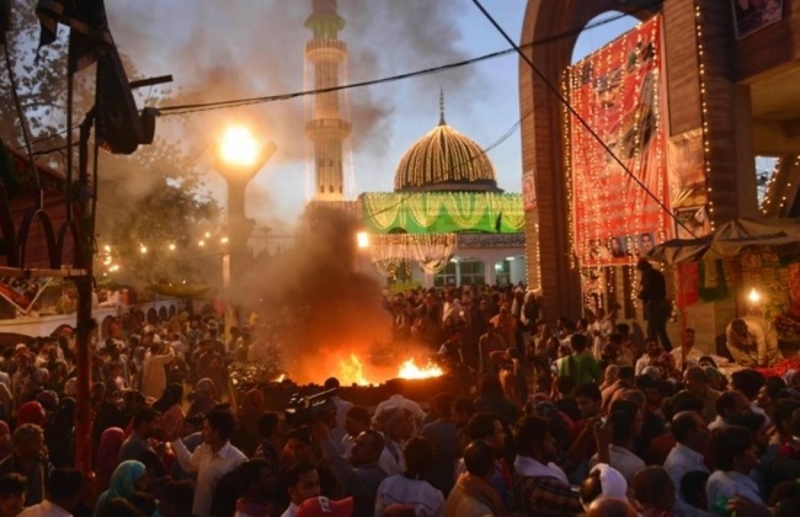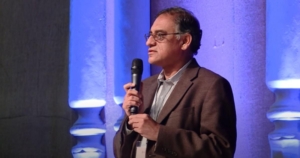
Pakistani cricket hero Imran Khan’s rally in Lahore

10 November 2011

Washington Post quoted my tweet
“Today’s rally shows that the old political configuration is changing. You have to factor in the young, urbanized Pakistan clamoring for good governance”

Click here to see source

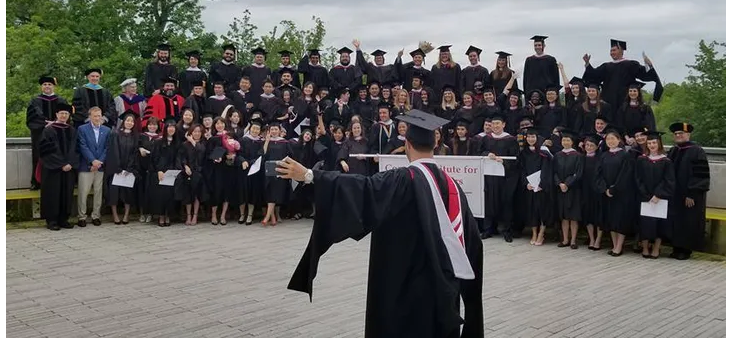
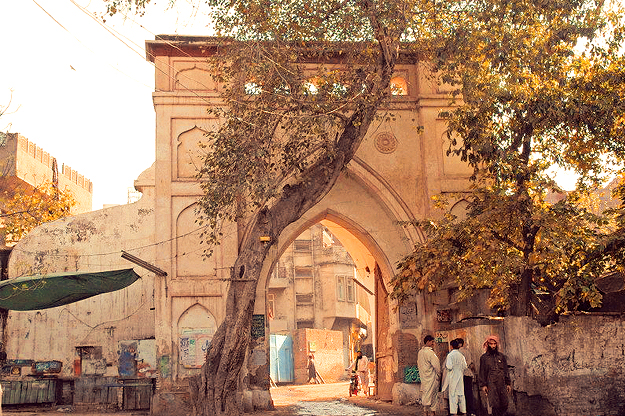
Students at the Old Delhi School

7 November 2011

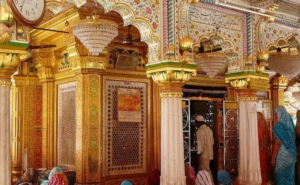
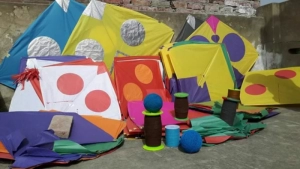
This photograph captured in March 2011 happens to be the most viewed picture on my flickr collection. Am trying to figure out why?

Photo of the Day: Sufis and Soothsayers in Pakistan

3 November 2011

By  Shreeya Sinha

Source: http://asiasociety.org/blog/asia/photo-day-sufis-and-soothsayers-pakistan

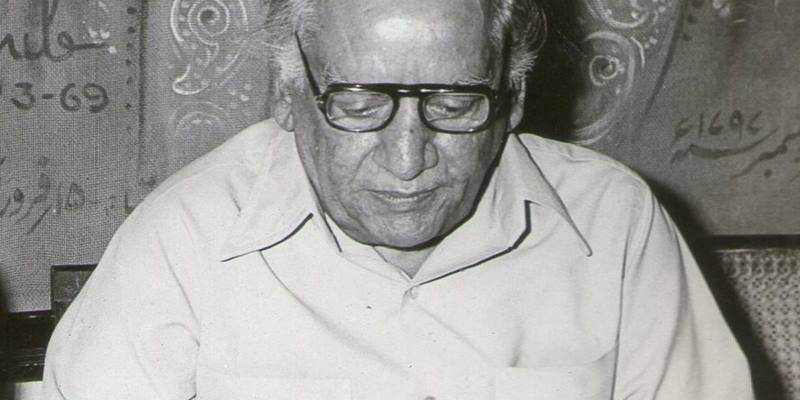
Faiz Ahmad Faiz:1974 Interview from Radio Pakistan Archives

31 October 2011

Taj Mahal – a poem by Sahir Ludhianvi (reposted)

25 October 2011

Today is Sahir Ludhianvi’s death anniversary. Am reposting this poem for the readers.

Sahir Ludhianvi’s immortal poem Taj Mahal has always fascinated me. It takes a most unconventional take at this beautiful monument where the poet protests at the choice of a romantic rendezvous.

Today, I found a lovely translation of this poem. I am reproducing it below – but first a few lines from Urdu:

Yeh chaman zar yeh jamna ka kinara yeh mahal
Yeh munaqqash dar-o-deevar yeh mehrab yeh taaq
Aik shahanshah nay daulat ka sahara lay ker
Hum ghareebon kee mohabbat ka uraya hai mazaaq

Taj Mahal

The Taj, mayhap, to you may seem, a mark of love supreme
You may hold this beauteous vale in great esteem;
Yet, my love, meet me hence at some other place! (more…)

A portrait of Rumi

24 October 2011

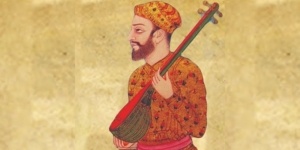
Thanks to Taimur on Twitter, I found this portrait of Mevlana Rumi:

Book review: A psycho-social perspective on terror

23 October 2011

By Raza Rumi

The launch of Dr Unaiza Niaz’s excellent book in September was most symbolic, as the world commemorated the ghastly incident of 9/11 and the subsequent ten years of ‘war’. The global media pundits had remarked that the world will not be the same place after 9/11. In our neighbourhood we have seen a gruesome war and occupation in Afghanistan; and its spillover into Pakistan making it a playground for terrorists of all shades and hues.

Iraq is another tragic fallout of the 9/11. A war launched by the military-industrial complex with ‘sexed up’ evidence to use the British admission has led to nearly a million people, dead, missing or invisible not to mention the wanton destruction of a country. The continued struggles in Kashmir, Chechnya and Palestine are sizzling stories of politics, high-level negotiations and bargains. However, those who have been through this mayhem remain invisible or at best random statistics. This is why Dr Niaz’s book is so important and timely: it puts forth the lost narratives, the spiraling traumas and continued dislocation and loss of bearing.

Wars, Insurgencies and Terrorist Attacks:
A Psycho-Social Perspective From The Muslim World
by Unaiza Niaz
Oxford University Press
Hardcover PP 350
Price: $49.95

Article Box
Article Box

Dr Niaz’s book serves as a great framework for all those who wish to understand what happens to the victims of terrorism, war, and violence. In Pakistan we have lost over 35,000 Pakistanis to the monster of terrorism and there are hundreds and thousands of men, women, children who have been affected by this syndrome. Unfortunately, we are severely short of trauma counsellors and virtually incapable to deal with the Post Traumatic Stress Disorder (PTSD) as Dr Niaz explains in her brilliantly accessible chapters. More nuanced accounts of complex trauma and developmental trauma are also explained in detail with references and examples. In a way, this book is a vital, state of art compilation of most recent research and academic formulations on this critical subject.

Another important strand in the book happens to the manner in which terrorism and its Islamic linkages have been debunked in the chapter contributed by Dr Idriss Teranti. It calls for the revival of Islam’s progressive and humane side instead of the Wahabi-Salafi onslaught witnessed these days. The book also dispels the myth that terrorists are mentally ill. The chapter on Algerian experience authored by Dr Idriss and Mohammad Chakali is a powerful account as it talks about the traumatism and resilience of people.

The situation in Afghanistan is dire. Thirty-two years of continued trauma has distorted generations and the meaning of existence there. This is an important document for them too, and everywhere in the Muslim world where war and misery have destroyed lives and homes

My favourite part of the book is the chapter co-authored by Dr Niaz and Seher Hasan entitled Insurgencies in the Muslim world. It is closer to home as well. Since 2009, I have been advising a United Nations agency on post-conflict governance and development strategies. I had a chance to visit KPK and FATA after the IDP crisis where millions had to move away from Swat, Buner and Mohmand due to military operation. Having visited the IDPs and learnt of their stories, my economic and institutional analyses seem incomplete without the essential human aspect of the post-conflict trauma. Unfortunately, the federal and provincial governments had no clue or were completely ill-equipped to deal with the lives of women trapped in their tents in the scorching heat of May and the children who had lost their parents and guardians. (more…)

On Kabir, Bulleh Shah and Lalon Shah

22 October 2011

Not a great recording of my talk at Kuch Khaas, Islamabad.

Dynasties and Clientelism in Pakistan

21 October 2011

My paper published in Seminar, India
THE hallmark of Pakistan’s political elites is their narrow base. A limited number of families have dominated Pakistan’s legislatures since the country’s inception in 1947.1 These families traditionally are from rural landowning and tribal backgrounds. The situation in the twenty first century remains largely unchanged. Indeed, the principal change may be the expansion of dynastic politics to include families from urban, religious and military backgrounds.
The politics of kinship networks in Pakistan, as in South Asia more generally, is firmly anchored in the politics of clientelism,2 which in turn is closely related to caste, ethnicity and identity.3 Clan, tribe, caste and biradari4 play a major role in electoral contests and in defining populist politics. These ties also legitimize the political family’s hold on resources and the passing on of these resources as legacy to new generations of family members.

This essay proposes a typology of dynasties in Pakistan, beginning from the ‘traditional’ rural dynasty of the Bhuttos, going on to the urban dynasty of the Sharifs, and concluding with the newer dynasties with religious and military backgrounds. Along the way, it shows how these dynasties are rooted in the politics of patrimonialism and clientelism. (more…)

River Indus: Flow of life – Part II

20 October 2011

By Raza Rumi:

From ancient Vedic times to stories told by Sufi saints, the Indus continues to play a central role in the legends and folklore associated with the region. Even today, the shrine of Uderolal, a composite Hindu-Muslim place of worship and the cult of Lal Shahbaz Qalandar are rooted and nurtured by the Indus and its magic. Not long ago, both Hindus and Muslims believed that the flow of Indus was determined by the saint Lal Shahbaz Qalandar. Lal Shahbaz Qalandar is also referred to as Jhule Lal, or the god of waters. Some Hindus also referred to him as Raja Bharati.

The Partition of the subcontinent in 1947 brought with it a new shape to the politics and cultures of the Indus region

Current beliefs and practices still reflect continuity with the past. Sehwan Sharif, where the tomb of Lal Shahbaz Qalandar’s is situated was the site of a Shiva centre. It is said that the name Sehwanistan has been derived from Sivistan, city of Shiva. Moreover, there is a striking similarity between the dressing of contemporary faqirs and Shivite yogis as both dress in ‘torn clothes with matted hair.’

The Mohanas (fisherfolk) have been displaced and driven towards alternative livelihoods

Article Box

Article Box

As noted above, Uderolal is a curious tomb: Muslims believe that a saint named Shaikh Tahir is buried here; while the Hindus consider this place to be the shrine Jhulelal or Uderolal. In common parlance, he is also known as Zindapir (Living Saint). Uderolal is one of the places where the Indus is still worshipped by Hindus and Muslims. It is also worshipped in another part of Sindh, near the town of Sukkur.

Shrines of Sufi saints are situated along the riverside in Sindh. It is believed that 125,000 holy men are buried ‘in the yellow sandstone necropolis at Thatta’ alone, writes Samina Quraesihi in her book on Sufism. All year round, a great number of people continue to visit the tombs as a way to show their respect and receive blessings. Just like Lal Shahbaz Qalandar, Khwaja Khizr is also referred to as Zindapir and ‘ pani ka badshah‘ (Water King). The devotees still believe that he lives under the water and the river flows the way that he commands. As recently as the late nineteenth century, Hindus and Muslims also worshipped side-by-side at the Zindapir’s shrine in Sukkur. Moreover, many of the saints have said to have caused miracles in the region through their powers over the Indus.

Mangroves are vanishing and the boat-communities are struggling for their survival

Such meta-religious beliefs and practices can also be understood with reference to Shah Abdul Latif’s Risalo. This is a sacred Sindhi book put together by Latif. It is given equal reverence by both Hindus and Muslims, and contains excerpts from the Quran, the traditions of the Prophet Mohammad (PBUH), Persian poetry and Sindhi folklore. It does not focus on any one form of authority and includes doctrines from various sects in Islam. On the whole it represents the similarity in spiritual beliefs related to Hinduism and Islam as practiced in the region. Moreover, it is still a symbol of this peaceful co-existence between the followers of the two religions. (more…)

River Indus: Flow of life – Part I

19 October 2011

By Raza Rumi:

Along its 1,800-mile course, the Indus joins cultures from the steppes of Central Asia to the arid plains of the South Asian subcontinent. It affects patterns of thought and behavior, shapes expressions of culture and provides inspiration for art. The hopes and aspirations of its people are reflected in stories and elaborate myths, transmitted through the consciousness of successive generations by bards and story-tellers. It is important to mention that the Indus Valley Civilization originated in the fertile plains of the Indus River, in the third and fourth millennium BC. This civilization, or the Harappan Culture, was coeval with the ancient civilizations of Egypt and Mesopotamia, and is recognized as the third major civilization in the history of humankind. Mohanas, the boat-people of the Indus valley, still live along its banks, near the shrine of Khwaja Khizr and elsewhere. They traverse the mighty river on boats which have remained essentially similar in design to those depicted in the art of the Indus Valley Civilization thousands of years ago.

To the Sindhis, it is known as “Purali”: the capricious river whose floods can make and destroy civilizations

Alice Albinia in her excellent book Empires of the Indus: the Story of a River reminds us how the Indian subcontinent derives its very name from the great river. The ancient Sanskrit language referred to the Indus as “Sindhu”. Later, the Persians entitled it the “Hindu” and through the subsequent eras, it finally came to be known as India. Albinia has painstakingly researched how the Indus region excited the imagination of Europeans from early antiquity. The lure of the Indian subcontinent had reached the West even in the time of Alexander the Great, and ever since then, exotic tales of this enchanting land have spurred on the ambitions of many a great conqueror.

Sohni meets her tragic end in the Indus which up till recently had been a facilitator in her love-story, but suddenly becomes the ultimate obstacle in allowing it to continue

The multitudes of peoples who live along the banks of the Indus know it by a number of names. To the Sindhis, it is known as “Purali”: the capricious river whose floods can make and destroy civilizations. Further up the course of the river, the Pashtuns refer to it as the ‘Nilab’ (blue water), ‘Sher Darya’ (Lion River) and ‘Abbasin’ (father of Rivers). The mountain people of Baltistan know it as ‘Gemtsuh’ (the Great Flood), or ‘Tsuh-Fo’ (the Male River). (more…)

Reclaiming the legacy of ZA Bukhari

18 October 2011

By Raza Rumi

Defining ‘Pakistani’ culture has been a problematic endeavour right from the inception of the country. Pakistan has straddled between 5,000 years of its ancient past, a thousand of years of Muslim rule in the Indian subcontinent, and the secular, plural reality that exists to date. Few individuals attempted to understand this. And fewer could actually lead the arduous process of articulating and shaping a truly nuanced and composite Pakistani culture. Zulfiqar Ali Bukhari, popularly known as ZA Bukhari, was one such Renaissance man who will always be remembered for his life and works, but more importantly for filling the void, which was created due to the truncation of Indo-Muslim identity in 1947. At the time of Independence, Pakistan was beset by the greatest of its challenges, ie of coming to terms with its past and deciding about its future trajectory, conflicts which remain unresolved despite six decades of fruitless struggles. (more…)

Pakistan’s foreign policy: Escaping India?

17 October 2011

By Raza Rumi:

As Pakistan negotiates with a critical moment of its 64-year-old existence, there is nothing more urgent than to review its foreign policy goals and the assumptions that define them. It is an open secret that the unelected institutions of Pakistan for decades have designed controlled and implemented its foreign policy, often at variance with Pakistan’s own pragmatic self-interest. Such have been the contours of Pakistan’s foreign policy perspective, that the institutional interests of its all-powerful military and the allied intelligence complex dominate the definition and outcome of an imagined “national-interest”. Considering how Pakistan finds itself locked in a battle of nerves with the United States since the strike on Osama bin Laden’s compound in the garrison town of Abottabad, on May 2, 2011, there is perhaps no better time for its elites to review and redefine what passes for foreign policy. (more…)

Cultural Assets of the Communities of District Multan and Bahawalpur, Pakistan

16 October 2011

“South Punjab, in particular, the districts of Multan and Bahawalpur…, have a vast range of cultural assets. the living culture of the communities carries influences of the inherited ancient civilizations and historical past which flourished in this region and has permeated their present day culture and its expressions. Cultural zones within these two districts are discernable which have infused the living culture of communities influencing their lifestyle, value system and world view; giving the South Punjab region a distinct cultural identity reinforced through their shared language, Saraiki. the earliest, dating back to 3800 BCE, is that of the Cholistan desert, the Rohi made famous by the region’s premier Sufi Saint Khawaja Ghulam Fareed. Although the built assets are contained within the desert yet its intangible expressions of poetry and oral narratives, song and dance is embedded
within the culture of the region, in particular Bahawalpur. The influences of the material culture of the ancient people of the Hakra Valley Civilization can still be found in the pottery making traditions and in the motifs and designs which continue to be used. The other identifiable culture ethos permeating the living culture of the region is that engendered by the advent of the Sufi saints in the 10th century onwards.  The Sufi philosophical and material culture emanated from the ancient cities of Multan and Uch Sharif, the central abode of mystical Islam in the region, which had far reaching impact on the whole of South Punjab and further into Sind and Northern India.  the erstwhile Bahawalpur State (1802-1955 CE) has also had deep influence on the culture of the district and the built form engendered during the State period has left an indelible mark on the built environment of the
entire area, most prominent in its capital city, Bahawalpur and the twin capital Dera Nawab Sahib….”
Read the full report by UNESCO here:  http://unesco.org.pk/culture/documents/publications/Cultural_Expressions.pdf


Some sobering lessons

16 October 2011

By Raza Rumi:

Adecade after the ghastly attacks on the Twin Towers, the world has not changed. It is business as usual: imperial projects, ‘dangerous’ foes and millions of hapless, voiceless people. 9/11 was a reprehensible act perpetrated by a desperate and rogue network whose ideologues had hijacked a faith and its symbolism long before they started to assert their worldview by force.
While most 9/11 perpetrators belonged to the Middle East and its infamous Holy Kingdom, Pakistan emerged as the epicentre of terror in the global imagination and continues to occupy that exalted position. Its neighbourhood has been ransacked and occupied by the liberators and now the war on terror has turned into a contested, essential Pakistani experience. Nearly a million people in Iraq are dead or missing but never mind. It is time for the West to take stock of what happened due to a relentless pursuit of ambition and greed of an unaccountable, omnipotent war industry. (more…)

« Previous PageNext Page »