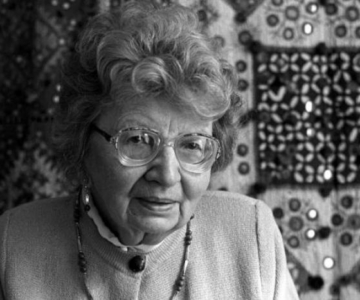
Recollections of Annemarie Schimmel
Rehana Hyder writing for the Friday Times My first recollection of Annemarie Schimmel was as a teenager in Delhi in 1969, in the year…
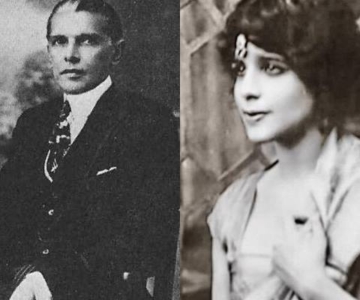
She Would Not Be Wrapped
For the British, anxious to distinguish themselves from the natives, nothing was more galling than Indians in European attire. The elite women, especially, in…
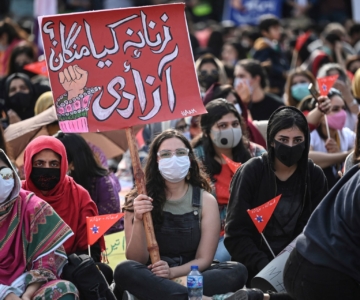
Can Feminism Succeed In Pakistan?
Afiya Zia, the author of ‘Faith and Feminism in Pakistan’, tells Raza Rumi that women in all parts of the country, across social classes,…
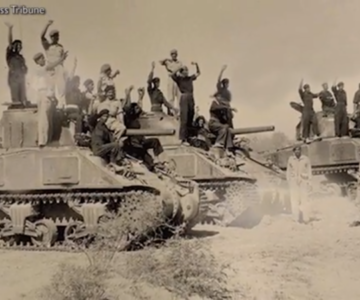
جنگ کسی مسئلے کا حل نہیں، فیض کی نظم ’سپاہی کا مرثیہ‘ سنیے
جنگ کسی مسئلے کا حل نہیں۔ جنگ کا اختتام کسی کی فتح اور کسی کی شکست پر نہیں ہوتا۔ جس وقت ایک حکمران فتح…
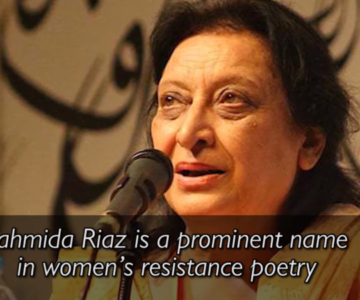
Movement for women’s right after Independence By Rosheen Aqib
Rosheen Aqib delinates on women’s rights movement after independence.…
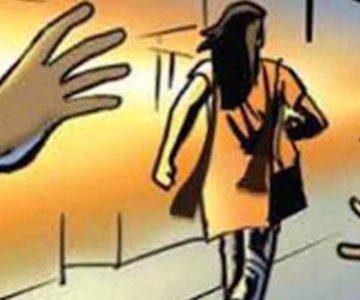
Man doing masturbation in public got arrested
A man was masturbating today on a road in Lahore when a lady filmed him doing it. The police arrested the man, yes. But…
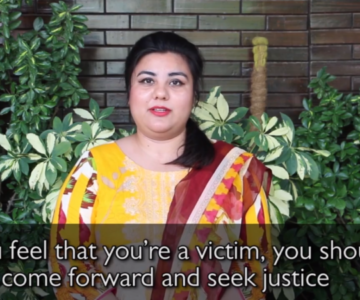
Move Courts Against Harassment, Law Will Protect You, Fatima Butt Tells Pakistani Women
If you are a victim of harassment, don’t take it lying down. The laws are in place to protect you against your tormentors. Advocate…
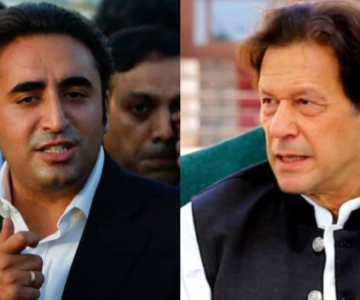
PM Imran Khan vs Bilawal Bhutto: Imran Khan Slammed Over ‘Sexist’ Remarks
PM Imran Khan has had a tough week. He has been under immense fire from all quarters over his statements during his Iran visit.…
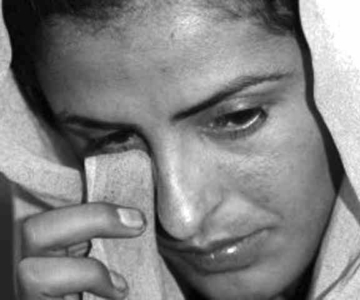
Mukhtaran Mai’s Struggle For Justice Is Heroic
In June 2002, Mukhtaran Mai was raped and paraded naked around the village on orders of a Jirga after her brother (a 12-year-old) was…
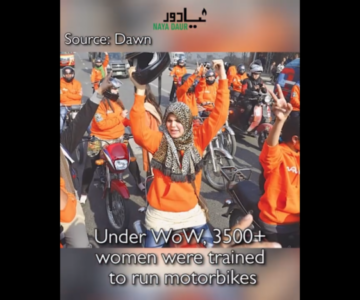
Women Empowerment Through Shelter And Transport
Projects like Violence Against Women Centre (VAWC) and Women on Wheels (WoW) have played a significant role in empowering women and taking down patriarchy…
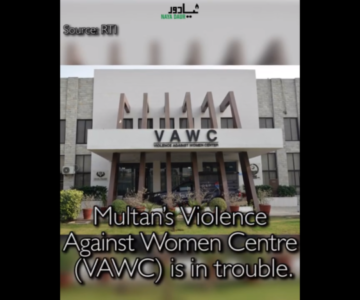
Anti-Violence Women Centre In Multan In Miserable State
Multan’s Violence Against Women Centre (VAWC) is in trouble. Staff complains that they have not been paid since July 2018 because the PTI govt…
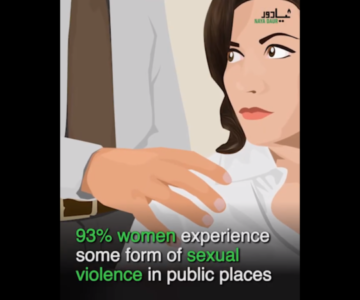
Violence Against Women Needs To Stop Now
Tomorrow is the International Women’s Day. Every year, millions of women all around the world, and in Pakistan, are subjected to violence, sexual and…
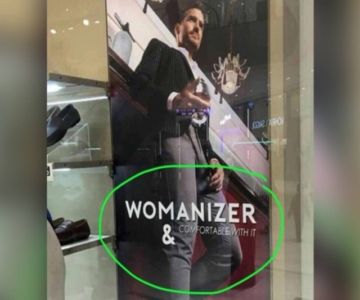
Misogyny normalized by media through sexist content
Sexist slurs, jokes are a norm in Pakistan. This is not limited to Khawaja Asif’s remarks against Shireen Mazari or Aamir Liaquat’s suggestive captions.…
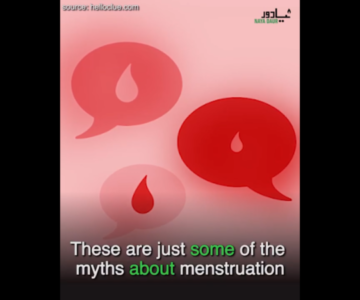
Myths about menstruation
There are various banishing myths surrounding menstruation in Pakistan. Adolescent girls are told not to take bath, drink cold water or eat spicy foods…
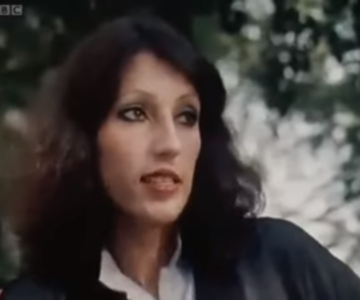
Rare BBC interview of young Benazir Bhutto after her father’s hanging
Rare BBC interview of (young) Benazir Bhutto after her father’s hanging. – circa 1984 #video #history #Pakistan…
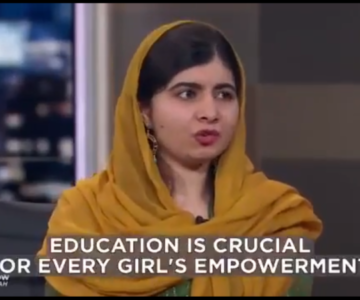
Malala is an exceptionally bright and committed young woman.
Malala is an exceptionally bright and committed young woman. Here she talks about the importance of education for empowerment, the refugees and why activism…
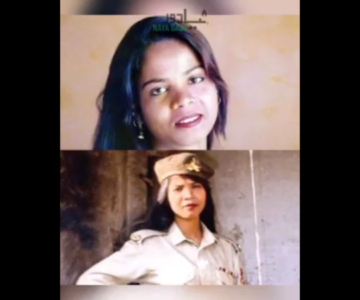
8 years in prison without fault: Asia Bibi leaves Pakistan
It’s a shame that Asia Bibi wouldn’t be able to live in Pakistan, her home country, where she was born, raised and jailed for…
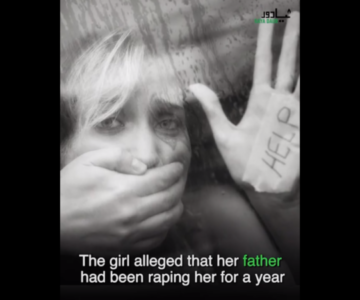
Man impregnates 16-y-o daughter in Rawalpindi
Man rapes and impregnates 16-year-old daughter in Rawalpindi and these cases aren’t even rare anymore. But even more outrageous is the state of denial…
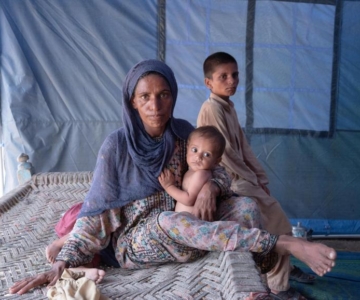
What are the major problems women face in society? Who are responsible?
What are the major problems women face in society? Who are responsible? Watch in the below video!…