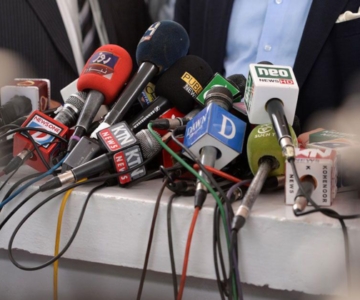
Pakistan’s Media – responsibility must anchor freedom
My piece that was published earlier this week: IT is a truism that media freedom in Pakistan today has been earned after a long…
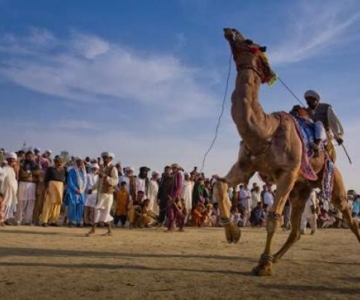
Myth of Channan Peer
Earlier I posted on Khowaja Ghulam Fareed, the Sufi poet from Cholistan. A famous festival takes place each year attracting thousands of people in…
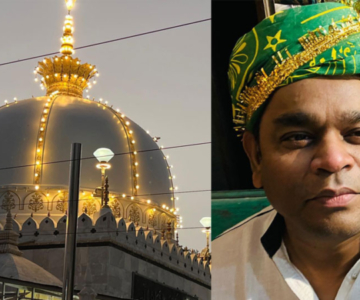
A R Rahman’s devotion to Khawaja Muinuddin Chishty
Music and Love share a primordial bond. None other than the legendary and a genius of our times Allah Rakah Rahman, better known to…
Prophet’s letter on the protection of Egyptian Copts
I am grateful to Saadi to have forwarded me the this amazing ancient text. ******** The Letter of Prophet Muhammad Below is the English…
Longing – a short poem
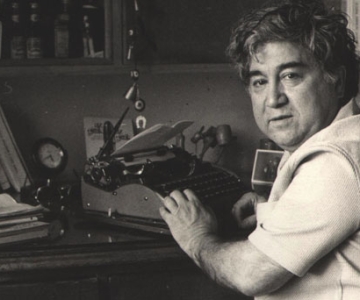
This little poem by the famous Turk poet Aziz Nesin was left on Jahane Rumi by Sherry – I love it so much that…
The Angel Rose – a poem by Fatima Hasan
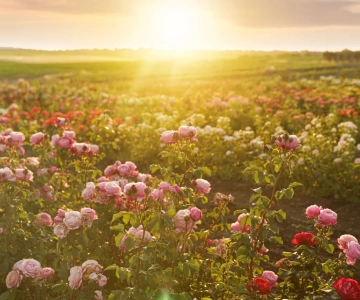
The past crept into my mind today, A new day, a different recall, Of days gone by so hurriedly, I grasped the rose ever…
Like Children
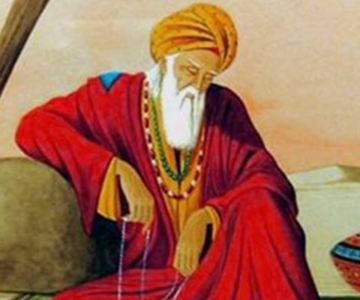
Recognize that your imagination and your thinking and your sense perception are reed canes that children cut and pretend are horsies. The Knowing of…
Why Jodhaa Akbar is a disappointment?
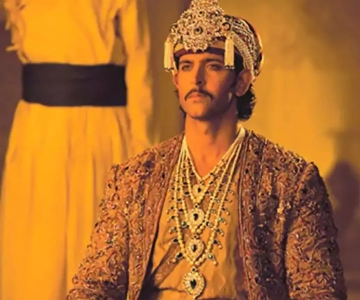
The challenge of translating a historical era into a cinematic endeavour is daunting, especially when it concerns historically contested subjects such as the fabled…
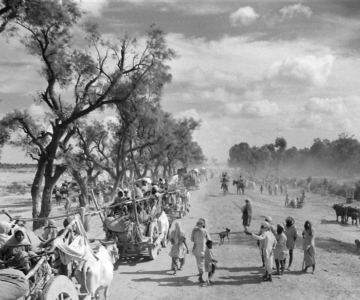
Indo-Pak Sindhi writers meet in New Delhi
By Prem Chand Sahajwala SINDHI IS one of the many Indic languages and it has gone through many phases of ups and downs in…
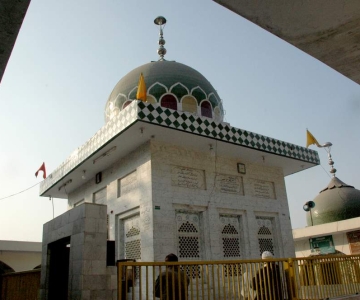
Selections from Shah Hussain’s poetry
“In the new Lahore lies buried Shah Husain and with him lies buried the myth of Lal Husain. Still, at least once a year…
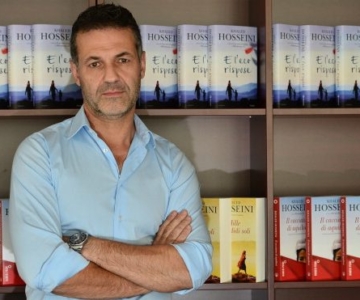
The Kite Runner: The Afghan Tragedy Goes Unexplained
Khalid Hoseni’s book, now turned into a film has been a best seller. It is touching as a personal narrative and indeed quite well-written.…
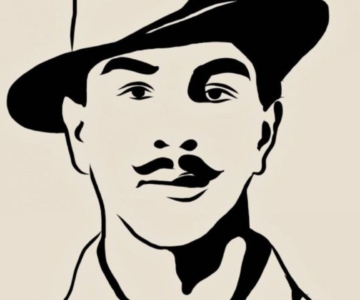
On Bhagat Singh, His Vision And Jinnah’s Support For His Struggle
In his incisive speech to the Constituent Assembly on September 12 and 14, 1929, Jinnah harshly condemned the criminal colonial rule and the Government's…
“The Whole Place Goes Up” – Rumi
Spring is here, friends. Let’s stay in the garden And be guests to the strangers of the green. We’ll fly from one flower to…
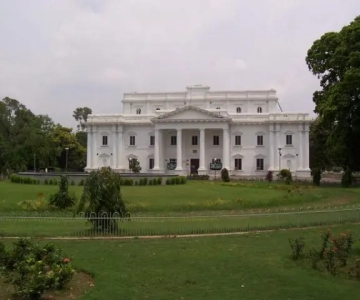
Living Histories
Essences of the past and present come alive at the Lawrence Gardens Lahores Lawrence Gardens, baptised the Bagh-i-Jinnah in the post-independence era, represent the…
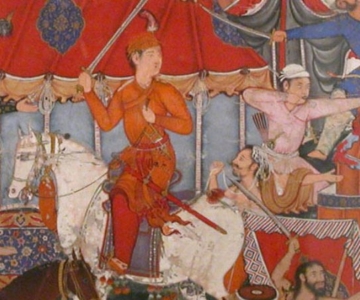
The Irreverent Hero Islam Forgot
Tehelka magazine has this story on how magic and adventure render the Hamzanama the most popular oral epic of the Islamic world. WILLIAM DALRYMPLE…
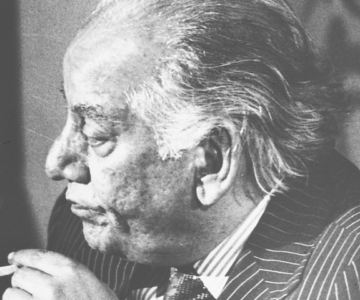
Faiz’s Aaj bazaar mein pa-bajo-lan chalo … translated & explained
Another translation of Faiz rendered by a Toronto based poet – Anis Zuberi. This is a timeless poem or nazm, aaj bazaar main pa…

Of Old-journalism, New Media and Myopia
Three quotes from this story covering the Project for Excellence in Journalism’s annual State of the News Media report struck me: It was believed…
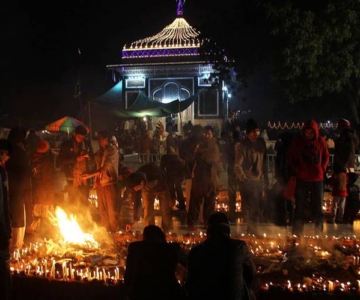
Mian Mir’s 384th Urs
Mian Mir’s death anniversary celebrations are commencing today. Mian Mir is regarded as one of the greatest Sufi saints of the Subcontinent. He belonged…
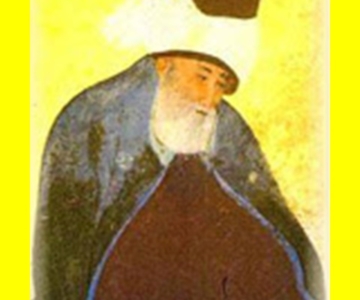
A reminder of your true self
Sana’i ! If you don’t find a friend, be your own friend! In this world of every kind of man and every kind of…

Lahore blasts and the Jihad industry
My city Lahore was attacked yet again by the pusillanimous attackers pretending to be brave and honourable. There is no justification and no excuse…