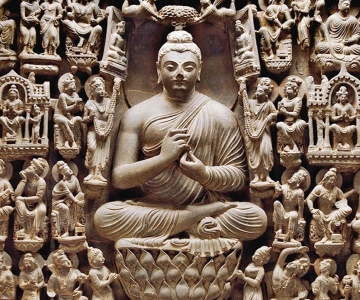
Save the Buddha Statues in Swat, Pakistan
It is disturbing that there is no writ of the government in Swat – otherwise a stunningly beautiful valley. Considering that the army is…
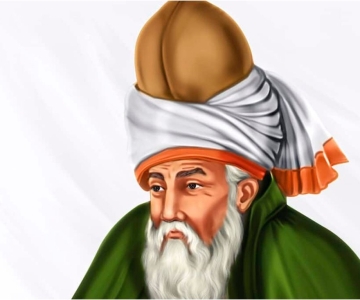
The roar of Rumi – 800 years on
Today is Mevlana’s 800th anniversary. Centuries later, his poetry and messages of love resonate across the globe. I am posting this piece by Charles…
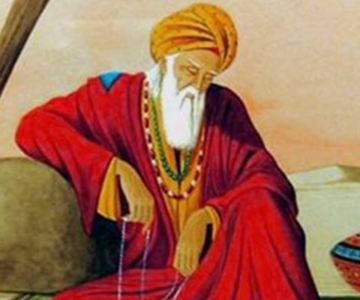
The Breaking Wave of Love
Ah, once more he put a fire in me, And once more this crazy heart is craving the open plains. This ocean of love…

Killing Shias is not jihad – stop this carnage in Pakistan
This is an old article – When the state kills – authored by Pakistan’s eminent intellectual Khaled Ahmed. It remains relevant for what is…

“Religion’s Role in Politics” from the TPS blog
This is a thought-provoking piece published by The Pakistani Spectator (TPS) that brings together multiple views and voices on Pakistan. I believe there are…
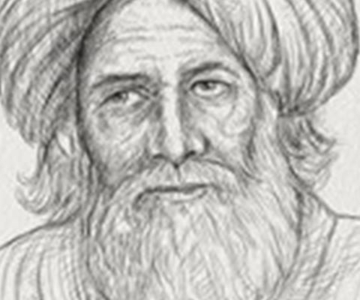
sanon apna yaar rajhawan dey – Bulleh Shah
With due apologies to those who cannot understand Punjabi. I will work on a translation sometime later. mar na mulla bulariyan sanon apna yaar…
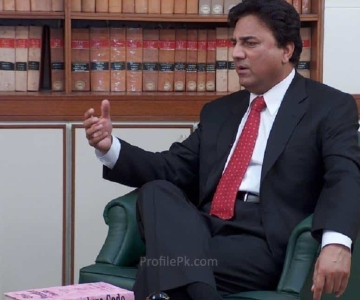
Naeem Bokhari – More sinned against than sinning
Yesterday, All Things Pakistan published my little protest against the uncalled for treatment of the much maligned Naeem Bokhari. A few excerpts here.. We…
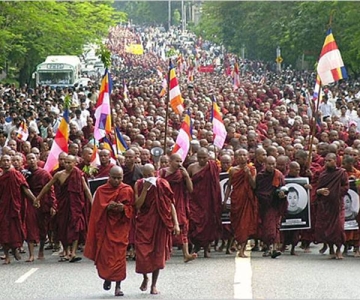
Remembering Neruda on Support Burma Day
The monks in Burma have resisted the oppression with grace and immense selflessness. I am reminded of a poem The Dictators by Pablo Neruda…

I thought I must give up on life..
Solomon Marni has contributed this beautiful poem for JR. I thought I must give up on life And turn into a stone; The desert…
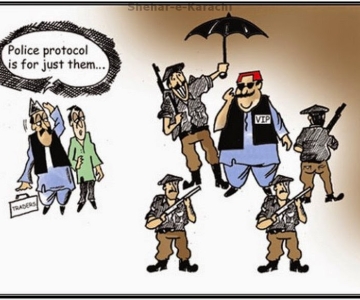
The distasteful side of fedual shrine culture
In a story entitled Punjab grants divine man obscene rights, Hamid Asghar of DAWN had written this report about the way the Sufi descendants…

So it took Mr Greenspan years to admit this
Alan Greenspan the former chief of the US central bank, for years an inscrutable seer on the economy has outraged the Bush administration by…
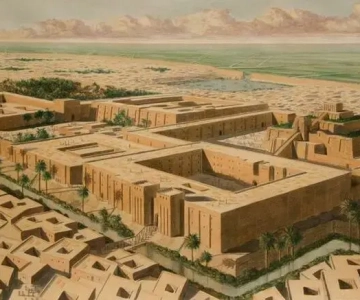
It is the death of history…
Fisk on the long term impact of Iraq tragedy: 2,000-year-old Sumerian cities torn apart and plundered by robbers. The very walls of the mighty…
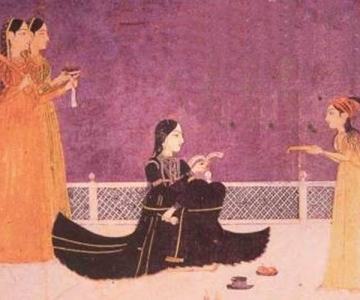
I bow before the image of my Love
I bow before the image of my Love No Muslim I But an idolater I bow before the image of my Love And worship…
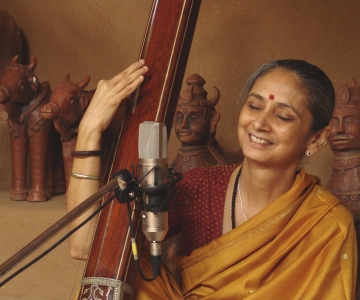
Vidya Rao sings in London on Sunday
I have been invited by Vidya Rao to attend a concert tomorrow as she will sing at the Thames Festival in London on Sunday,…

“Expanding the Potential of Experiencing Life”
The death of Qurratulain Hyder has generated a spate of comment, obituaries and tributes. Each day I receive several emails, find new posts and…
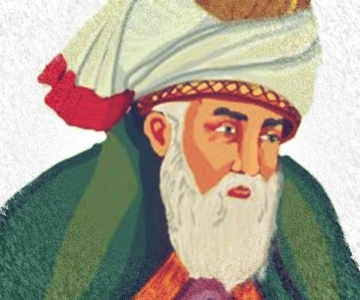
Maybe They’re Shy
Now the nightbirds will be singing of the way we love each other. Why should they sing about flowers when they’ve seen us in…
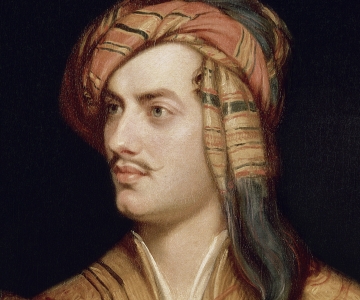
Byron: the elusive poet
I stumbled on this article on Byron – a romantic poet – who died young but left a legacy of fine poetry, political vision…
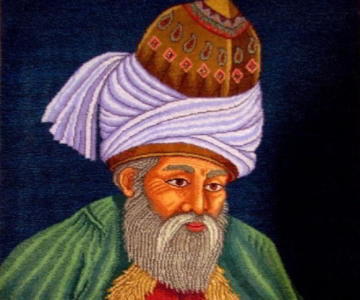
Celebrate! The month of fasting has come – Rumi
Celebrate! The month of fasting has come. Pleasant journey to the one Who is the company of the fasting. I climbed the roof to…
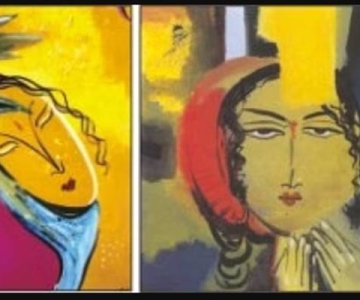
Anandi Boiragi – the eclectic painter and an urban Baul
With legendary artist S.M. Sultan as his mentor, Anadi Kumar Boiragi from Jessore attended Khulna Art College in the late ’80s, before enrolling at…

On white-women stereotypes
A post of mine on All Things Pakistan, Inhospitable Reception, has generated a good discussion and it is was great to read that there…